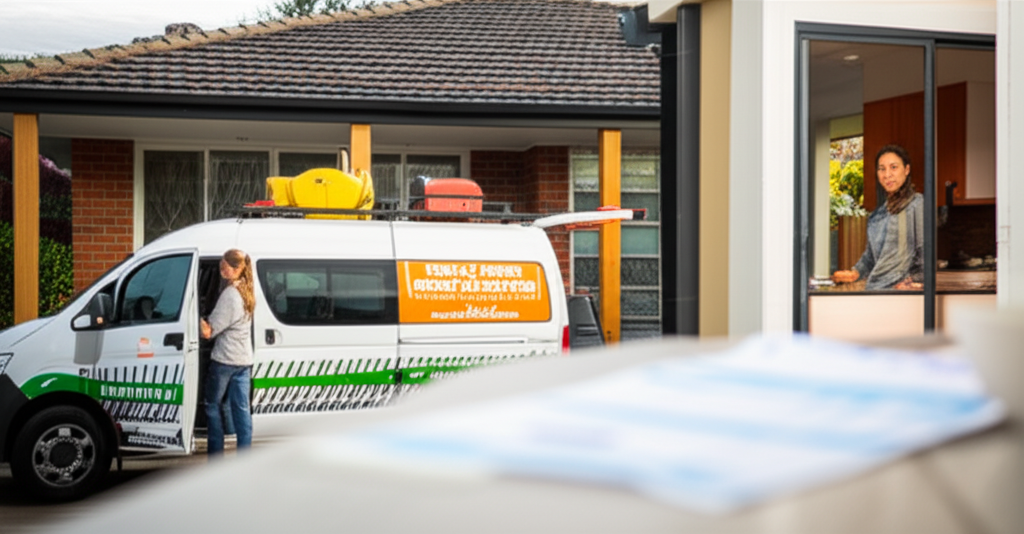
You paid $300 or more for a professional pest control treatment. The technician sprayed every corner, left gel baits under the sink, and promised results within days. For a week or two, the cockroaches disappeared. Then you flicked on the bathroom light at midnight and watched one sprint across the tiles.
It is one of the most frustrating experiences for Australian homeowners: cockroaches coming back after pest control. You did the right thing, hired a professional, spent the money, and the problem returned anyway. You are not alone. Pest control companies across Australia report that callback rates for cockroach treatments run between 20 and 40 per cent, depending on the species and severity of the infestation.
The truth is that a single exterminator visit was never designed to solve a cockroach problem permanently. Understanding why cockroaches return after treatment is the first step toward breaking the cycle for good. Here are the five most common reasons your cockroach problem keeps coming back, and what you can actually do about it.
Why Cockroaches Return After Professional Treatment
Cockroaches are among the most resilient pests on the planet. They have survived for over 300 million years, and their biology is specifically adapted to withstand exactly the kind of chemical assault that modern pest control relies on. Here are the five reasons your exterminator's treatment did not stick.
1. Egg Cases Survive the Treatment
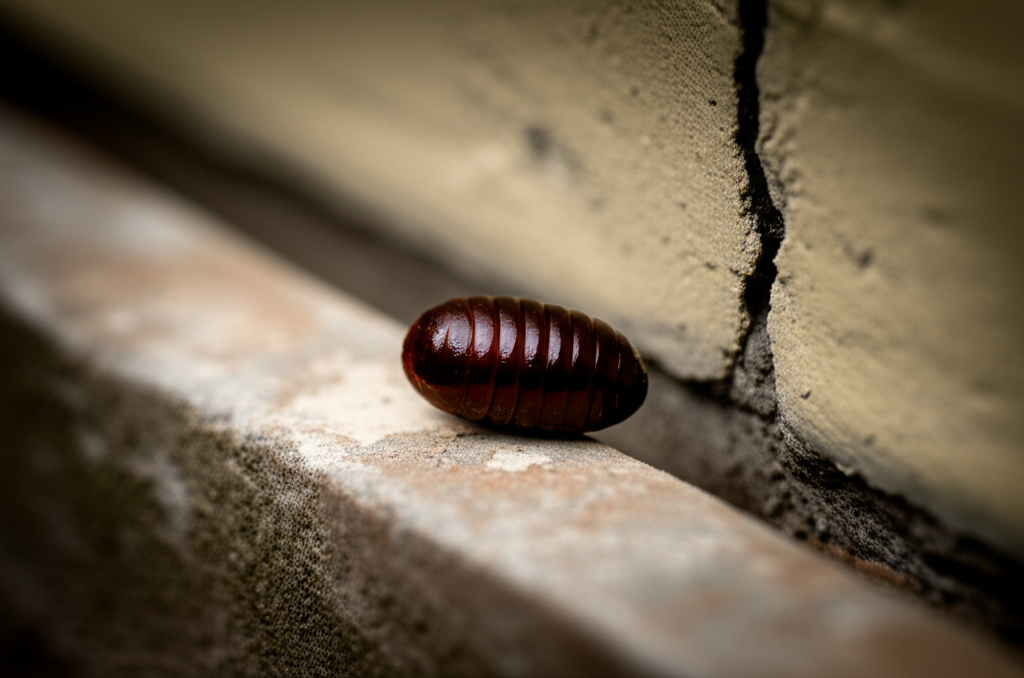
This is the number one reason cockroaches come back after an exterminator visit. Female cockroaches produce egg cases called oothecae, and these hardened casings are highly resistant to chemical sprays. A single German cockroach ootheca contains 30 to 40 eggs. An American cockroach ootheca holds around 16. These egg cases are tucked into cracks, behind wall plates, under appliance motors, and inside cardboard — places the spray never reaches.
Most surface sprays break down within days to weeks. But cockroach eggs hatch two to four weeks after being laid. By the time the next generation emerges, the chemicals that killed their parents have already degraded. The result: a fresh wave of nymphs that were never exposed to the treatment. This is why pest control companies recommend follow-up visits — but many homeowners skip them once the initial problem seems resolved.
2. Neighbour Infestations and Shared Infrastructure
If you live in a unit, townhouse, or any property with shared walls, you are dealing with a problem that no single-property treatment can solve. Cockroaches travel freely through shared plumbing, electrical conduits, wall cavities, and gaps around pipe penetrations. You can treat your unit perfectly, but if the flat next door has an untreated infestation, cockroaches will migrate back into your space within days.
This is particularly common in older apartment blocks across Sydney, Melbourne, and Brisbane where building infrastructure has gaps that allow easy movement between units. Strata-managed buildings that coordinate whole-building pest control treatments see significantly better results than individual unit treatments.
3. Missed Harbourage Areas
A standard pest control visit typically lasts 30 to 60 minutes. In that time, the technician treats visible surfaces, skirting boards, kitchen and bathroom areas, and accessible crevices. But cockroaches harbour in places that are difficult or impossible to treat in a single visit: inside wall cavities, deep behind built-in cabinetry, underneath dishwashers and ovens that have not been pulled out, inside the motor housing of fridges, and within ceiling voids.
German cockroaches in particular establish harbourage areas very close to food and water sources. They will nest inside the hinge mechanisms of kitchen cabinets, behind the rubber seal of your dishwasher door, and inside the control panel of your microwave. A surface spray applied to the skirting board three metres away will not reach these populations.
4. Chemical Resistance
German cockroaches — the species most commonly found inside Australian homes — have developed documented resistance to multiple classes of insecticides. A 2019 study published in Scientific Reports found that German cockroaches can develop cross-resistance to entire insecticide classes within a single generation, meaning exposure to one pyrethroid can produce resistance to pyrethroids the cockroach has never encountered.
In practical terms, this means the spray your exterminator used may simply not kill resistant populations. The surviving cockroaches breed, and their offspring inherit that resistance. Each treatment cycle can actually accelerate resistance development in the remaining population. This is why chemical-free pest control methods are becoming an increasingly important part of any integrated approach.
5. Entry Points Were Never Sealed
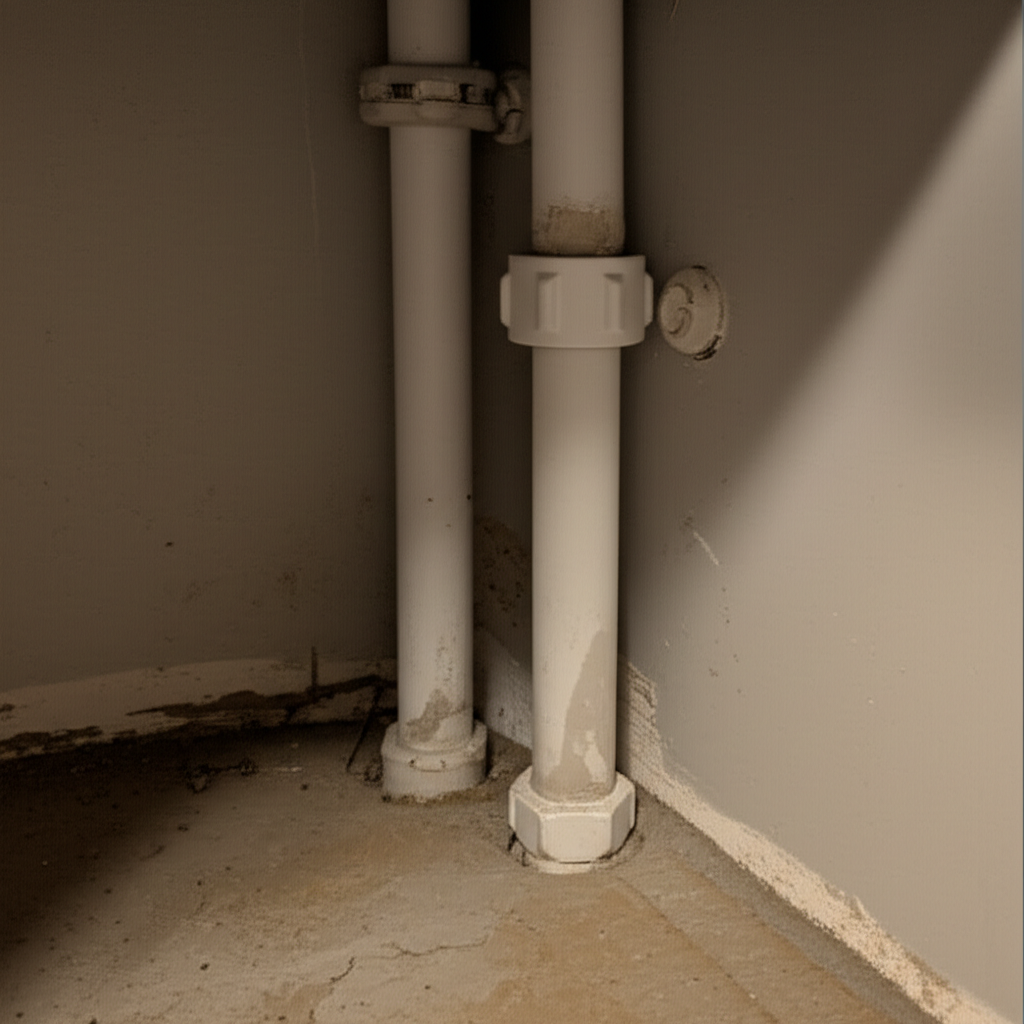
Most pest control treatments focus on killing cockroaches that are already inside your home. They do not address how the cockroaches got in. Gaps around pipes under the kitchen sink, cracks in exterior mortar, unsealed weep holes in brick veneer, torn flyscreen mesh, gaps beneath external doors — these are all highways for cockroaches. In Australia's warm climate, outdoor cockroach species like the American cockroach and Australian cockroach actively seek indoor shelter during temperature extremes and heavy rain.
Until these entry points are physically sealed, you are paying to kill cockroaches that will be replaced by new arrivals. It is like bailing water out of a boat without plugging the hole.
How Long Should Pest Control Last?
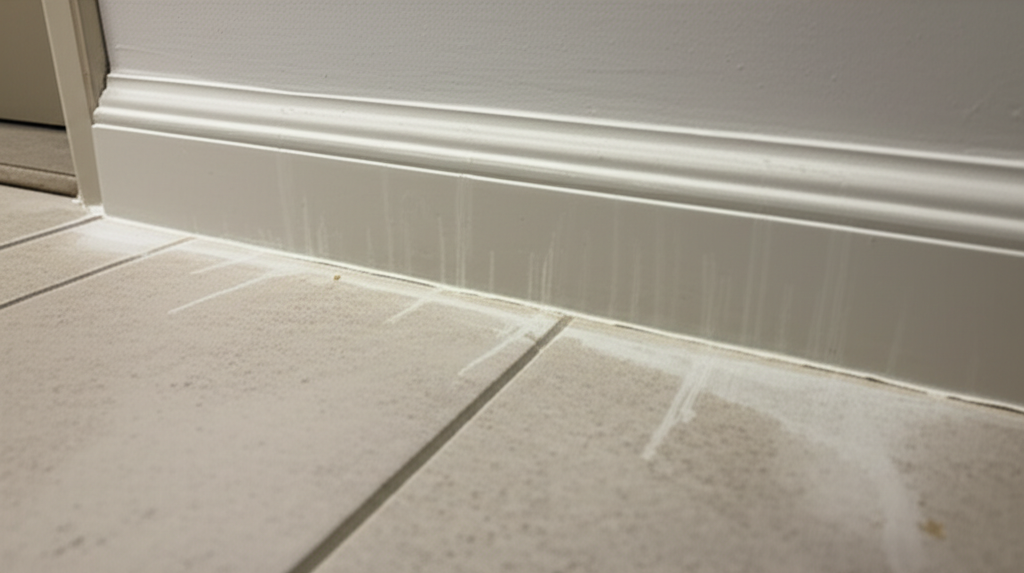
The duration of a pest control treatment depends on the method used. Here is what you should realistically expect from each approach.
Surface spray treatments typically provide a residual barrier for three to six months under ideal conditions. However, the active ingredient degrades faster in areas with high foot traffic, moisture exposure, and UV light. In humid Australian climates — particularly in Queensland and northern New South Wales — spray treatments may break down faster than the label suggests.
Gel bait treatments remain active for one to three months. They are more targeted than sprays and work by attracting cockroaches to feed on the bait, which they then carry back to the nest. Gel baits are effective against populations that have developed spray resistance, but they dry out and lose attractiveness over time — especially in dry, air-conditioned environments.
Dust treatments (applied inside wall cavities and roof voids) can remain effective for up to 12 months if undisturbed. However, they only work if cockroaches travel through the treated area.
Reality check: Most pest control companies offer a warranty period of three to six months. If cockroaches return within that window, they will re-treat at no charge. But this warranty model reveals the truth: the companies themselves expect their treatments to wear off. You are paying for temporary suppression, not permanent elimination.
What to Do When the Exterminator Doesn't Work
If cockroaches keep coming back after pest control, a single-method approach is not going to solve the problem. You need a combination strategy that addresses every angle of the infestation.
Seal every entry point. Inspect under sinks, around pipe penetrations, along skirting boards, around window frames, and beneath exterior doors. Use silicone caulk for gaps around pipes, steel wool for larger holes (cockroaches cannot chew through it), and door sweeps for gaps beneath external doors. Pay special attention to weep holes in brick veneer — fit weep hole screens rather than blocking them entirely, as they are necessary for moisture drainage.
Eliminate food and water sources. Store all food in airtight containers. Clean behind and beneath appliances regularly. Fix dripping taps and leaking pipes. Empty pet water bowls overnight. Cockroaches can survive a month without food but only a week without water — cutting off moisture is more effective than starving them.
Use targeted baits strategically. Place gel bait stations in confirmed harbourage areas rather than scattering them randomly. Behind the fridge motor, under the dishwasher, inside the back corners of kitchen drawers, and behind the toilet cistern are high-value locations. Replace baits every four to six weeks.
Add continuous deterrent protection. Unlike sprays and baits that degrade over time, ultrasonic pest repellers operate 24 hours a day, seven days a week, emitting high-frequency sound waves that create an uncomfortable environment for cockroaches. They do not kill existing cockroaches instantly, but they deter new ones from settling in, which is the key to breaking the re-infestation cycle.
Why Continuous Protection Beats One-Off Treatments
The fundamental problem with traditional pest control is that it is episodic. You pay for a treatment, it works for a period, it wears off, and cockroaches return. Then you pay again. It is a subscription model disguised as a service call.
Consider the real cost over 12 months for an average Australian household dealing with recurring cockroaches:
| Method | Cost per Treatment | Treatments per Year | Annual Cost | Coverage |
|---|---|---|---|---|
| Professional spray | $250 – $400 | 2 – 4 | $500 – $1,600 | 3 – 6 months per visit |
| Gel bait treatment | $150 – $300 | 3 – 4 | $450 – $1,200 | 1 – 3 months per visit |
| DIY spray + baits | $30 – $60 | 4 – 6 | $120 – $360 | 1 – 2 months per application |
| Ultrasonic repeller | $12.95 (shipping only) | 1 (one-off) | $12.95 + ~$5 electricity | 24/7 continuous |
The comparison speaks for itself. Professional pest control can cost $500 to $1,600 per year with gaps in coverage between treatments. An ultrasonic repeller costs a fraction of a single treatment and runs continuously without degrading, without developing resistance issues, and without introducing chemicals into your home.
The most effective approach combines a one-off professional treatment to knock down an existing infestation with ongoing ultrasonic deterrence to prevent re-colonisation. Seal the entry points, remove the food and water sources, and let the repeller handle continuous perimeter defence. That is how you break the cycle permanently.
Frequently Asked Questions
Is it normal to see cockroaches after pest control treatment?
Yes, it is normal to see cockroaches for up to two weeks after a professional pest control treatment. Sprays and gel baits take time to work through the colony. Cockroaches that contact treated surfaces become disoriented and may appear in open areas more frequently before dying. However, if you are still seeing live cockroaches after three to four weeks, the treatment likely did not reach the full infestation. Egg cases (oothecae) are resistant to most chemical sprays and can hatch two to four weeks after treatment, producing a new generation that was never exposed to the original chemicals.
How many exterminator visits does it take to get rid of cockroaches?
Most pest control companies recommend two to three visits spaced two to four weeks apart for a moderate cockroach infestation. The initial treatment targets active adults, while follow-up visits address newly hatched nymphs from surviving egg cases. Severe infestations — particularly German cockroach populations established inside walls and appliances — may require four or more treatments over several months. Even after the infestation is cleared, ongoing prevention is essential. Without sealing entry points and removing food and water sources, re-infestation from neighbouring properties or outdoor populations can occur within weeks.
Why is pest control not working on my cockroaches?
Pest control may not be working for several reasons. The most common is chemical resistance — German cockroaches in particular have developed resistance to pyrethroids and other common insecticides used in Australian pest control. Other causes include incomplete treatment that misses harbourage areas inside walls, behind appliances, or under flooring; ongoing re-infestation from neighbouring units through shared plumbing and wall cavities; and unsealed entry points that allow new cockroaches to enter after the treatment breaks down. An effective approach combines chemical treatment with physical exclusion, sanitation improvements, and continuous deterrents like ultrasonic repellers.
Do ultrasonic pest repellers keep cockroaches away permanently?
Ultrasonic pest repellers work by emitting high-frequency sound waves that create an uncomfortable environment for cockroaches. Unlike chemical sprays that degrade over weeks, ultrasonic devices operate continuously around the clock as long as they are plugged in. This provides ongoing deterrence rather than a one-off treatment window. For best results, use ultrasonic repellers as part of a layered approach — combine them with sealed entry points, good sanitation practices, and targeted baits for any remaining cockroaches. Many Australian homeowners find that adding an ultrasonic repeller after a professional treatment helps prevent the re-infestation cycle.
Stop Paying for Treatments That Wear Off
Join 4,200+ Australian homeowners using BanishBugs ultrasonic repellers for continuous, chemical-free cockroach deterrence. The device is FREE — you only pay $12.95 shipping. Backed by a 90-day guarantee.
Take the 30-Second Quiz