How Do Ultrasonic Pest Repellers Work? The Science Behind Chemical-Free Pest Control
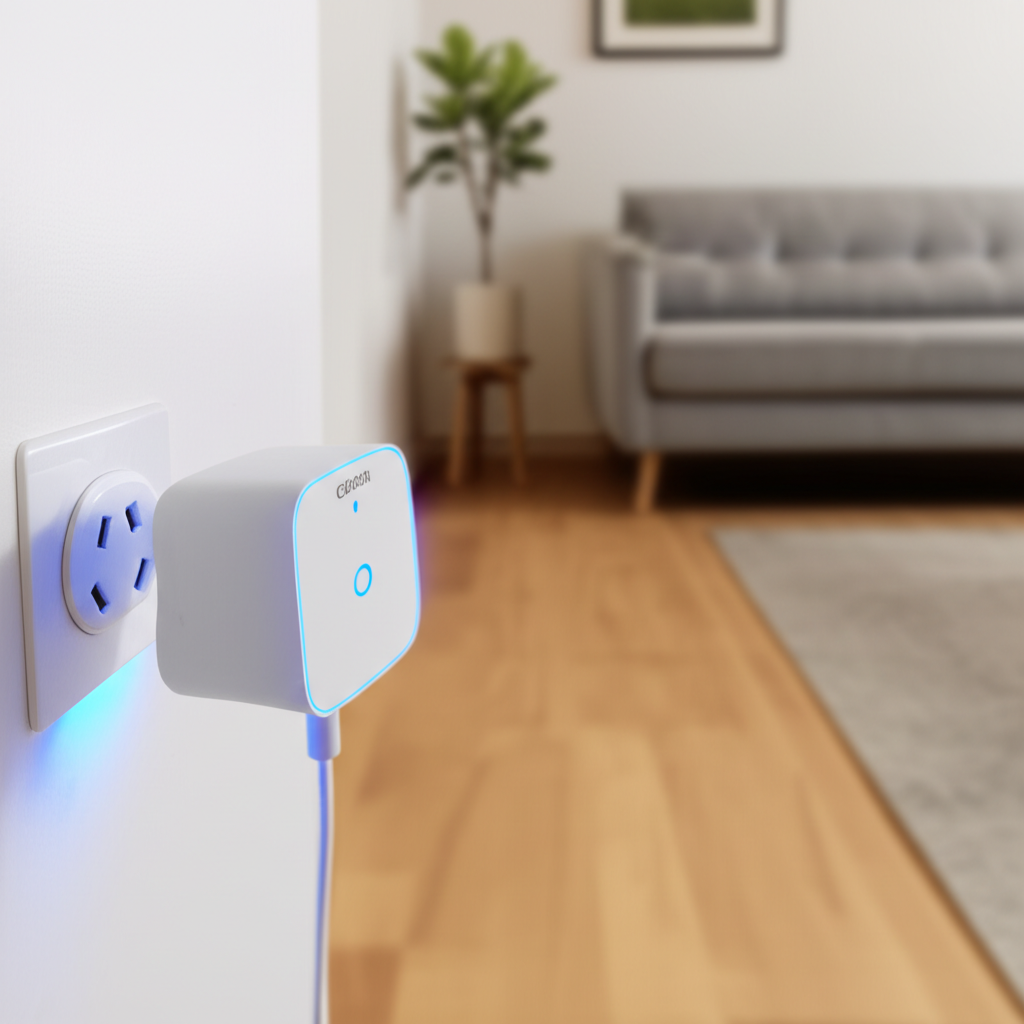
If you've stumbled across ultrasonic pest repellers while searching for a way to deal with cockroaches, spiders, or mice, you've probably asked the same question everyone does: do these things actually work? It's a fair question. The idea of plugging a small device into the wall and watching pests disappear sounds almost too good to be true. So let's break down the science — what ultrasonic pest control actually is, how it affects different pests, and what you can realistically expect.
What Are Ultrasonic Frequencies?
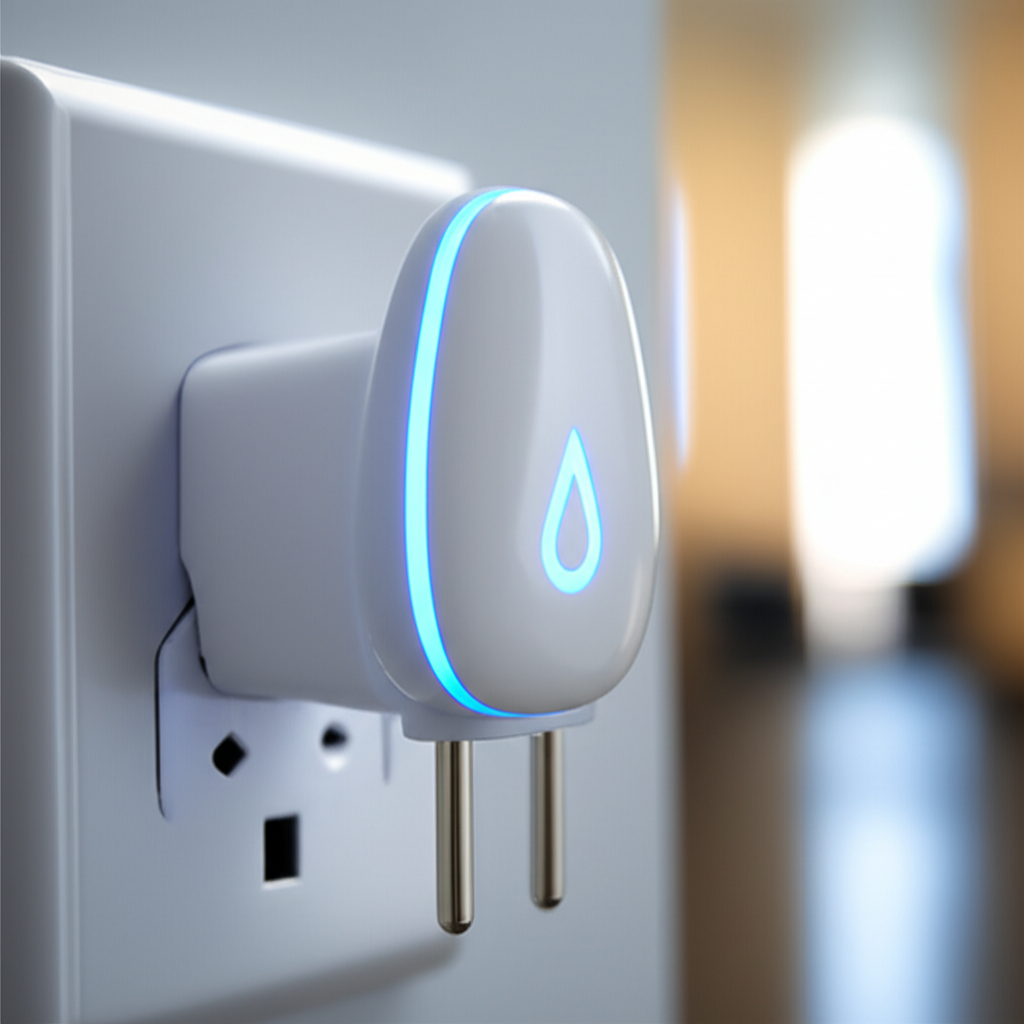
Sound is measured in hertz (Hz) — the number of vibrations per second. Humans can hear frequencies between roughly 20 Hz and 20,000 Hz (20 kHz). Anything above 20 kHz is classified as ultrasonic: sound waves that exist beyond the range of human hearing.
Ultrasonic frequencies are everywhere in nature. Bats use echolocation in the 20–200 kHz range to navigate and hunt insects. Dolphins communicate at frequencies above 100 kHz. Many insects and rodents are also sensitive to these high-frequency sound waves — and that sensitivity is exactly what ultrasonic pest repellers exploit.
Because these frequencies sit above our hearing threshold, an ultrasonic device running in your kitchen or bedroom is completely silent to you. You won't hear a thing. But to a cockroach or a mouse, it's a different story entirely.
How Ultrasonic Pest Repellers Work
Ultrasonic pest repellers work by emitting high-frequency sound waves between 22–65 kHz that target the nervous systems of common household pests. These frequencies cause neurological disruption, disorientation, and physical discomfort in insects and rodents, making the treated area uninhabitable and forcing pests to vacate.
Here's what happens at a more detailed level. The device emits continuously varying ultrasonic sound waves that cycle across a range of frequencies. This variation is critical — a single, static tone would allow pests to eventually habituate. By constantly shifting between frequencies, the device creates an unpredictable acoustic environment that pests cannot adapt to.
These sound waves interact with pests in three key ways:
- Neurological disruption — The ultrasonic frequencies interfere with the pest's nervous system, affecting their ability to communicate, navigate, and feed.
- Auditory discomfort — Pests perceive the sound as an intense, unpleasant stimulus — similar to how you'd react to a jackhammer outside your window, except they can't close the window.
- Disorientation — Rodents and insects rely heavily on acoustic and vibrational cues. Constant ultrasonic interference scrambles those cues, making the environment feel hostile and unsafe.
The result? Pests don't drop dead on the spot. They gradually find the area increasingly uncomfortable and leave to find somewhere quieter. It's a repellent effect, not a killing mechanism — which is exactly why it's safe for your family and safe for pets.
Frequency Ranges and Target Pests
Different pests are sensitive to different parts of the ultrasonic spectrum. Quality devices like BanishBugs cycle through the full range to cover the widest number of species:
| Frequency Range | Primary Target Pests | Effect |
|---|---|---|
| 22–35 kHz | Mice, rats, rodents | Severe auditory stress, territorial disruption |
| 30–45 kHz | Cockroaches, ants | Nervous system interference, disorientation |
| 38–55 kHz | Spiders, silverfish | Vibrational disruption, habitat avoidance |
| 45–65 kHz | Mosquitoes, flies, fleas | Flight pattern disruption, area avoidance |
What Pests Do Ultrasonic Repellers Work On?

Not all pests respond equally to ultrasonic frequencies. Here's an honest breakdown of effectiveness based on the acoustic sensitivity of each pest type and reported results from Australian households:
| Pest Type | Effectiveness | Typical Timeframe | Notes |
|---|---|---|---|
| Cockroaches | High | 2–3 weeks | Highly sensitive to ultrasonic disruption. Most commonly reported pest successfully repelled. |
| Mice & rats | High | 1–3 weeks | Rodents have acute hearing in the ultrasonic range. Strong avoidance response. |
| Spiders | Moderate–High | 2–4 weeks | Spiders sense vibrations rather than sound. Effectiveness relies on vibrational disruption and reduction of their food sources (other insects). |
| Ants | Moderate | 2–4 weeks | Colony-based behaviour means scouting ants are deterred, gradually redirecting trails elsewhere. |
| Mosquitoes | Moderate | 1–2 weeks | Higher frequency ranges disrupt flight patterns. Works best in enclosed rooms. |
| Fleas | Moderate | 3–4 weeks | Effective as part of a broader flea management approach. Disrupts reproductive cycles. |
Even for pests with moderate sensitivity, ultrasonic repellers create a powerful indirect effect: by driving away insects lower on the food chain, you also remove the food supply for spiders and other predator pests. Fewer flies and roaches means fewer reasons for huntsman spiders to set up camp in your lounge room.
Do They Actually Work? The Evidence
Let's address the scepticism head-on. You'll find articles online claiming ultrasonic pest repellers are "debunked" or don't work. Most of those critiques reference low-quality, single-frequency devices from a decade ago — the kind that emitted one tone and hoped for the best.
Modern devices are different. Multi-frequency cycling, wider output ranges, and purpose-built transducers have changed the game. Here's what we know from real-world usage:
- 50,000+ Australian homes have used BanishBugs devices, with a 4.9-star rating across 4,200+ verified reviews.
- The most common feedback? "I was sceptical, but after a few weeks the roaches just stopped appearing." That timeline — 2 to 4 weeks — is consistent with how repellent-based solutions work. Pests aren't killed instantly; they gradually vacate.
- Repeat purchases tell the story. Our most common order is the multi-room pack. Customers buy one, see it work in the kitchen, and come back for the rest of the house.
The honest caveat: results depend on correct placement, room size, and the severity of your pest situation. A single device won't cover a five-bedroom house. And if you have a serious structural infestation — say, a colony living inside your walls — you may need professional treatment alongside the device.
But for the everyday Australian home dealing with the usual suspects — roaches in the kitchen, spiders in the bathroom, mice in the garage — ultrasonic repellers are a proven, low-effort solution that works.
Ultrasonic vs Chemical Pest Control
Chemical sprays and baits have been the default for decades. They work — but they come with trade-offs that most Aussie families would rather avoid. Here's how the two approaches stack up:
| Factor | Ultrasonic Repellers | Chemical Pest Control |
|---|---|---|
| Upfront cost | Free (BanishBugs) — $12.95 shipping | $150–$400+ per treatment |
| Ongoing cost | ~$0.50/month electricity | $300–$800/year for quarterly treatments |
| Safety (kids & pets) | 100% safe — no chemicals, no toxins | Requires evacuation during treatment; residual toxicity risk |
| Environmental impact | Zero chemical runoff | Pesticide residue in soil and waterways |
| Effectiveness | Gradual (2–4 weeks); ongoing prevention | Immediate knockdown; pests return between treatments |
| Maintenance | Plug in and forget | Quarterly re-treatments required |
| Pest resistance | Multi-frequency cycling prevents habituation | Increasing resistance to common pesticides (especially cockroaches) |
The comparison isn't always either/or. For severe infestations, a one-off professional treatment followed by ongoing ultrasonic prevention is a sensible strategy. But for most households, the ultrasonic-first approach eliminates the need for chemicals entirely.
Tips for Getting the Best Results
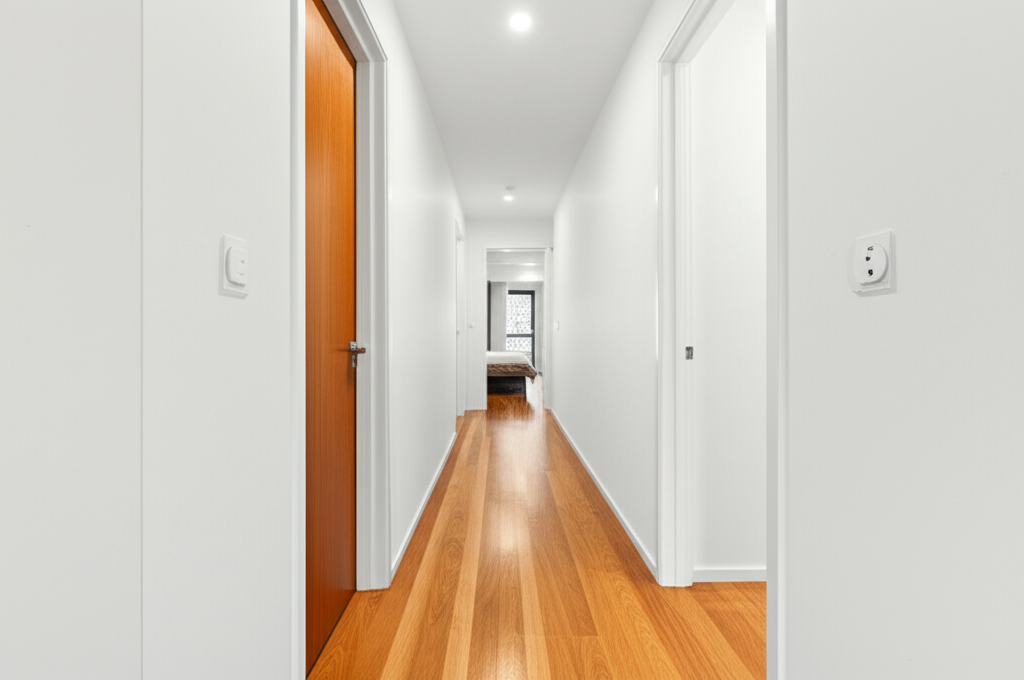
Ultrasonic pest repellers are simple to use, but a few placement decisions make a meaningful difference in how well they perform:
- Use one device per room. Ultrasonic waves can't pass through walls, doors, or large furniture. Each enclosed space needs its own unit. Start with the room where you see the most pest activity — usually the kitchen or bathroom.
- Place near pest entry points. Plug the device into an outlet near doors, windows, pipes, or vents where pests are most likely entering. The closer the device is to their pathway, the sooner they encounter the barrier.
- Keep it plugged in 24/7. Consistency is key. Ultrasonic repellers are most effective when running continuously. They use less electricity than a nightlight, so there's no reason to switch them off.
- Give it 2–4 weeks. This isn't a bug bomb. You won't see pests dropping dead overnight. What you'll see is a gradual reduction — fewer sightings each week until they stop appearing altogether. Some customers notice an initial increase in activity during the first few days as pests are flushed from hiding spots. That's actually a good sign.
- Don't block the signal. Avoid placing large furniture, curtains, or appliances directly in front of the device. Ultrasonic waves bounce off hard surfaces (which helps) but get absorbed by soft materials (which doesn't).
Frequently Asked Questions
Are ultrasonic pest repellers safe for pets?
Yes. Ultrasonic pest repellers operating in the 22–65 kHz range are safe for dogs and cats. These frequencies target the nervous systems of insects and rodents specifically. Most household pets are unaffected. For more detail, read our full pet safety guide.
How long does it take for an ultrasonic pest repeller to work?
Most users notice a significant reduction in pest activity within 2–4 weeks. Pests don't die instantly — they become increasingly uncomfortable and gradually vacate the area. Some customers report seeing more pests in the first few days as they're flushed from hiding spots. This is a normal part of the process.
Do ultrasonic pest repellers work through walls?
No. Ultrasonic sound waves cannot penetrate solid walls, large furniture, or thick curtains. That's why we recommend placing one device per room for full coverage. The waves bounce off hard surfaces, which actually helps coverage within a single room, but each enclosed space needs its own unit.
Can pests become immune to ultrasonic frequencies?
Quality ultrasonic repellers like BanishBugs cycle through varying frequencies between 22–65 kHz rather than emitting a single tone. This frequency variation prevents pests from habituating or adapting to the sound, maintaining long-term effectiveness as long as the device stays plugged in.
Find Out How Many You Need
Take our 30-second quiz to get a personalised recommendation for your home. The device is free — just pay $12.95 shipping. 90-day money-back guarantee.
Take the Quiz →