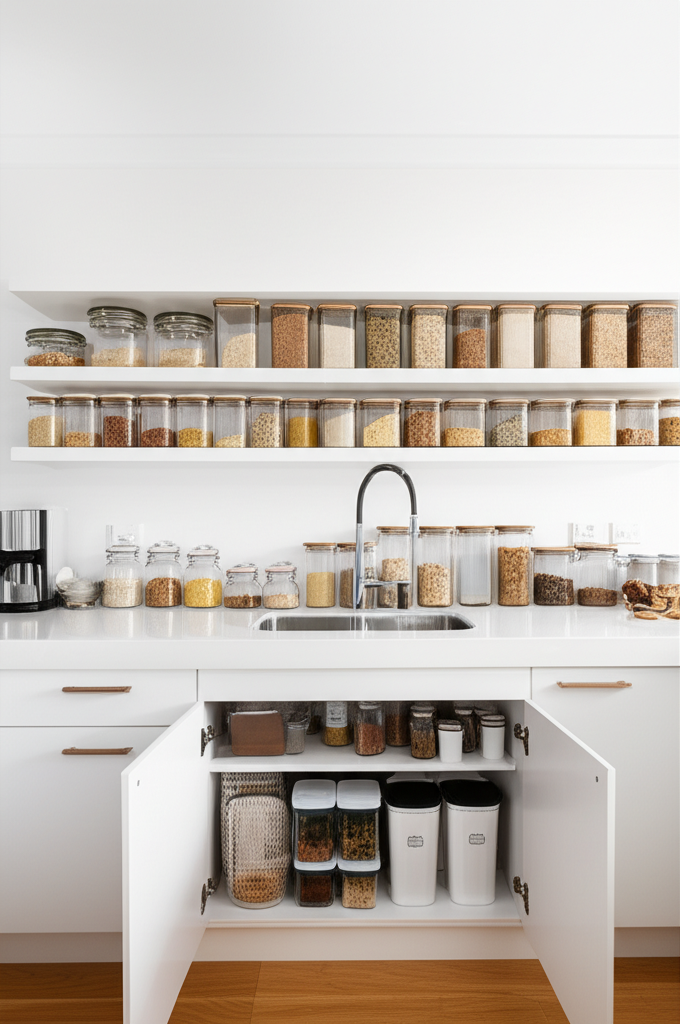
Your kitchen is cockroach ground zero. It has everything a roach needs to survive and breed: warmth from appliances, moisture from pipes and taps, and a reliable food supply from crumbs, grease residue, and open pantry items. In Australian homes — where warm, humid conditions persist for most of the year — the kitchen is almost always where a cockroach problem starts.
The good news: cockroach-proofing your kitchen is not complicated. It does not require expensive chemicals or a professional exterminator. It requires methodical sealing, consistent cleaning habits, and removing the three things cockroaches need to survive. This guide walks you through 10 specific steps to make your kitchen hostile to cockroaches — and keep them out permanently.
Why Cockroaches Love Your Kitchen
Cockroaches are not random visitors. They target your kitchen because it offers the three survival essentials they cannot live without: food, water, and warmth. Understanding what draws them in is the first step to keeping them out.
Water is the primary attractant. A German cockroach — the most common kitchen-infesting species in Australia — can survive for a month without food but only about a week without water. Dripping taps, condensation under sinks, wet sponges left on benchtops, and standing water in drip trays all provide the moisture cockroaches need. This is why kitchens and bathrooms are always hit first.
Food sources are everywhere. Cockroaches eat practically anything organic: crumbs behind the toaster, grease splatter behind the stovetop, food residue inside the bin, pet food left in bowls, even the glue on cardboard boxes. They need remarkably little — a few crumbs per day can sustain a cockroach indefinitely.
Warmth from appliances creates ideal habitat. The motor housing of your fridge, the back of your dishwasher, and the area behind your oven radiate constant gentle heat. For cockroaches, these warm microclimates are perfect nesting sites — especially the German cockroach, which almost exclusively lives indoors in Australia.
Night-time activity patterns make kitchens ideal. Cockroaches are nocturnal. They emerge between midnight and dawn when the kitchen is dark, quiet, and undisturbed. By the time you flick on the light and see one scatter across the benchtop, dozens more are hiding behind your kickboards and inside wall cavities. If you are seeing cockroaches during the day, the infestation is already significant — the colony has outgrown its hiding spots.
10 Steps to Cockroach-Proof Your Kitchen
Follow these steps in order. The first five address the most critical entry points and attractants. The final five build a long-term prevention system that makes your kitchen permanently hostile to cockroaches.
-
Seal gaps around pipes under the sink
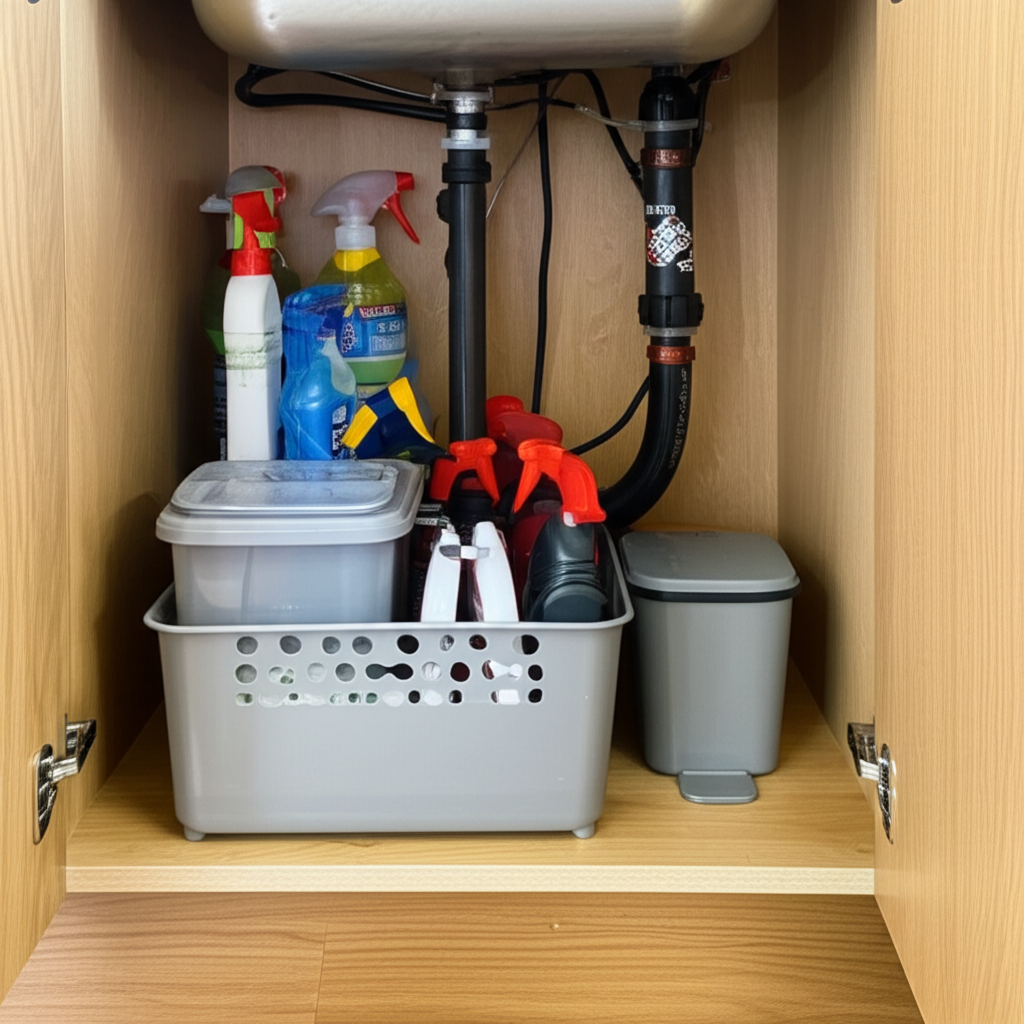 The space under your kitchen sink is the single most common cockroach entry point. Pipes penetrating the wall or floor almost always have gaps around them — sometimes several centimetres wide. Use expanding foam, silicone sealant, or steel wool to fill every gap where plumbing enters the cabinet. Check both hot and cold water lines, the drain pipe, and any dishwasher connections. This one step blocks the main highway cockroaches use to travel between wall cavities and your kitchen.
- Fix dripping taps and wipe wet surfaces Eliminate moisture and you eliminate the primary reason cockroaches target kitchens. Fix any dripping taps immediately — even a slow drip provides enough water for an entire colony. After washing up each evening, wipe down the sink basin, draining board, and benchtops. Do not leave wet sponges or dishcloths sitting on surfaces overnight. Empty the drip tray under potted plants on the windowsill.
-
Store all food in airtight containers
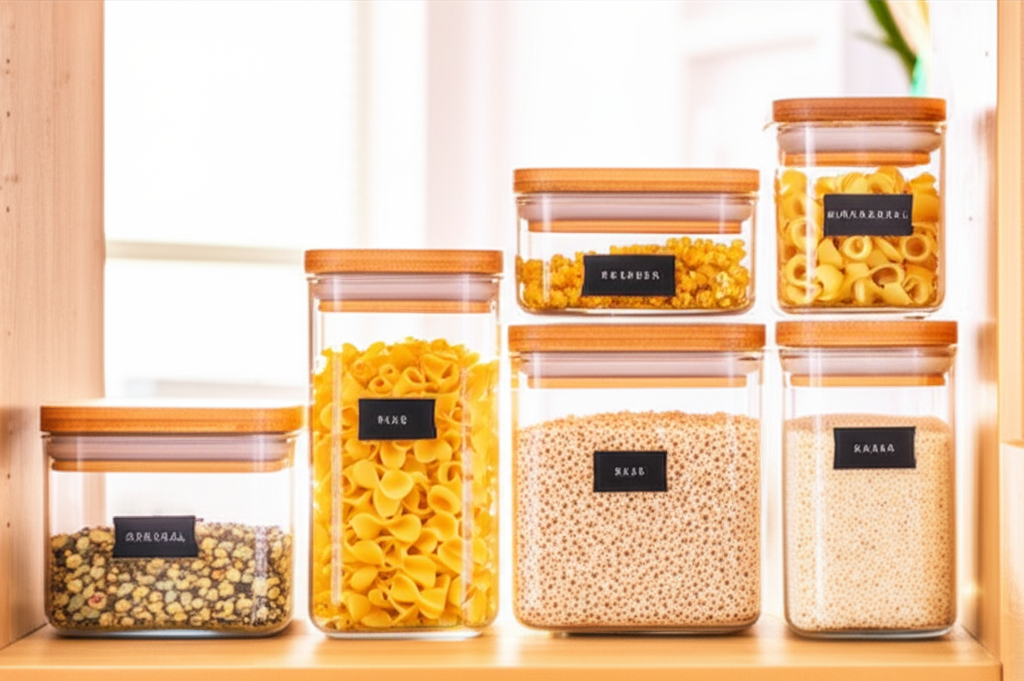 Transfer opened packets of flour, sugar, rice, cereal, pasta, and pet food into sealed glass or plastic containers. Cockroaches can chew through paper and thin plastic packaging. Airtight containers eliminate food odours that attract roaches from a distance and cut off a critical food supply. This applies to the pantry, benchtop fruit bowls (store fruit in the fridge instead), and any snacks stored in cupboards.
- Clean behind appliances monthly Pull out the fridge, oven, and dishwasher once a month and clean behind and underneath them. These hidden areas accumulate grease, crumbs, and food debris that sustain cockroach colonies for months. Pay particular attention to the gap between the stove and benchtop, the area behind the microwave, and underneath the toaster and kettle. Use a vacuum with a crevice attachment first, then wipe down with a solution of warm water and dish soap.
-
Empty bins daily and use sealed bins
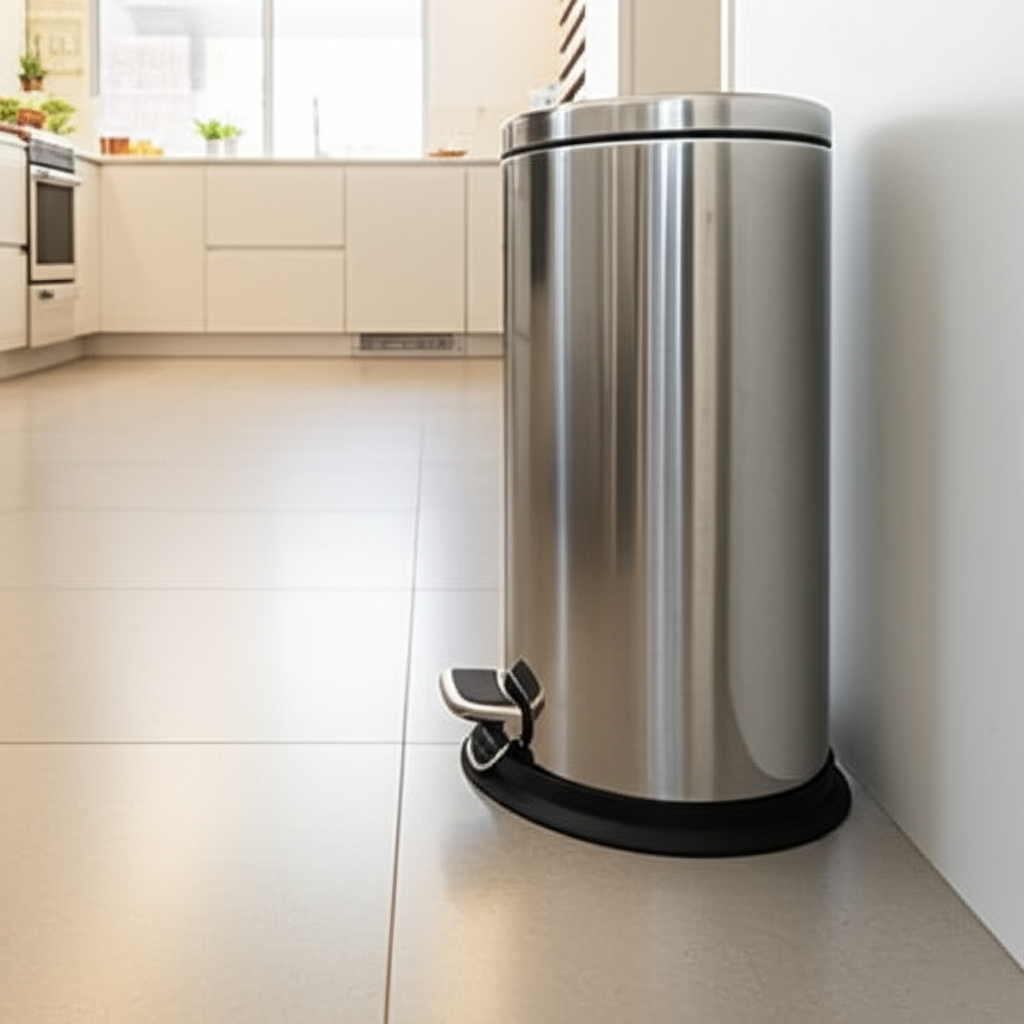 An open kitchen bin is a cockroach buffet. Empty your kitchen bin every evening before bed — or at minimum, every morning. Use a bin with a tight-fitting lid, not a pedal bin that gaps open. Rinse the bin itself weekly with hot soapy water to remove food residue from the base. If you compost, keep the compost caddy sealed and empty it daily rather than letting it sit open on the benchtop.
- Do not leave pet food bowls out overnight Pet food is extremely attractive to cockroaches — it is high in protein and fat, exactly what roaches seek. Feed your pets at set meal times and pick up bowls once they have finished. Do not leave water bowls on the kitchen floor overnight. If your pet grazes throughout the day, switch to a timed or sealed feeder. Store bags and tins of pet food in sealed containers, not in their original packaging.
- Wipe down benchtops every evening Make a 60-second benchtop wipe part of your nightly routine. Use a damp cloth with a small amount of dish soap or a vinegar-water solution to remove food residue, grease, and spills. Cockroaches can detect food traces invisible to the human eye. Pay attention to areas around the stovetop, kettle, toaster, and the edges where benchtops meet the wall or splashback. Sweep or vacuum the floor as well — crumbs under the dining table and around the bin are common food sources.
- Seal gaps around kickboards and cabinets Kitchen kickboards — the panels at the base of your cabinets — often have gaps at the corners and where they meet the floor. These gaps connect directly to the void behind your cabinets, which connects to wall cavities, which connect to the subfloor and exterior. Run a bead of silicone sealant along the bottom edge of all kickboards. Check corners where cabinets meet walls, gaps around integrated appliances, and any holes where cables or pipes pass through cabinet backs.
- Use an ultrasonic repeller near kitchen entry points An ultrasonic pest repeller adds a continuous deterrent layer that physical sealing and cleaning alone cannot provide. Place the device near the most common cockroach entry points: beside the fridge (near the gap between the fridge and wall), under the sink area, or near the kitchen's external door or window. The high-frequency sound waves create an environment cockroaches avoid, complementing your sealing and sanitation work. Unlike chemical sprays, ultrasonic repellers work 24/7 without residue, reapplication, or risk to children and pets. Find the right repeller pack for your home.
- Check grocery bags and cardboard for hitchhikers Cockroaches — particularly German cockroaches — frequently enter homes inside grocery bags, cardboard boxes, second-hand appliances, and delivery packaging. Unpack groceries promptly and discard cardboard boxes immediately rather than stacking them in the kitchen or garage. If you buy second-hand appliances, inspect them thoroughly before bringing them inside. Cockroach egg cases (oothecae) are small, dark brown capsules often glued to cardboard surfaces — if you see one, dispose of the packaging in an outdoor bin immediately.
Pro tip: Tackle steps 1, 2, and 8 in a single weekend session. Sealing gaps and fixing leaks takes two to three hours and eliminates the two biggest cockroach enablers — entry points and moisture — in one go.
The Kitchen Cockroach-Proofing Checklist
Use this checklist to track your progress. Print it, stick it on the fridge, and work through each item over a weekend. The daily habits at the bottom should become permanent.
| Task | Frequency | Done |
|---|---|---|
| Seal gaps around pipes under sink | Once (check annually) | □ |
| Fix dripping taps | As needed | □ |
| Transfer pantry items to airtight containers | Once | □ |
| Seal kickboard and cabinet gaps | Once (check annually) | □ |
| Install ultrasonic repeller near entry points | Once (ongoing use) | □ |
| Clean behind fridge, oven, dishwasher | Monthly | □ |
| Wipe benchtops and sink basin | Every evening | □ |
| Empty kitchen bin | Daily | □ |
| Pick up pet food bowls | Every evening | □ |
| Unpack groceries and discard cardboard | Every shop | □ |
What to Do If You Already Have Cockroaches
If cockroaches are already established in your kitchen, prevention alone will not solve the problem. You need to combine immediate knockdown with long-term prevention to break the cycle.
Immediate actions (this week):
- Deploy gel bait stations in high-activity areas: under the sink, behind the fridge, inside the pantry corners, and along the back edge of benchtops against the wall. Gel baits work through secondary kill — roaches eat the bait, return to the colony, die, and are consumed by other roaches who then also die.
- Deep clean the entire kitchen. Pull out every appliance, vacuum every crevice, wipe down every surface. Remove the food supply that is sustaining the colony.
- Seal the top three entry points immediately: under-sink pipe gaps, kickboard gaps, and any visible cracks where cabinets meet walls.
Long-term prevention (ongoing):
- Work through all 10 cockroach-proofing steps above — every single one matters.
- Install an ultrasonic repeller as a continuous deterrent once the active infestation is under control.
- Maintain daily cleaning habits: benchtop wipes, bin emptying, no standing water.
- If the infestation persists after two to three weeks of bait stations and full prevention, consult a licensed pest controller for targeted treatment. For more on getting rid of cockroaches in Australia, see our comprehensive guide.
Key insight: Chemicals alone never solve a cockroach problem permanently. Every professional exterminator will tell you the same thing — if you do not fix the conditions that attracted cockroaches in the first place (moisture, food access, entry points), they will come back. Prevention is the only long-term solution.
Frequently Asked Questions
What attracts cockroaches to kitchens the most?
Moisture is the single biggest cockroach attractant in Australian kitchens — more than food. Dripping taps, condensation under sinks, and wet sponges left on benchtops create the humid microclimate cockroaches need to survive. A German cockroach can live for a month without food but only a week without water. Eliminating standing water, fixing leaking pipes, and wiping down wet surfaces every evening will do more to deter cockroaches than any amount of cleaning alone. Combine moisture control with sealed food storage and gap sealing for the most effective kitchen cockroach prevention.
How do cockroaches get into a clean kitchen?
Cockroaches enter clean kitchens through physical gaps — not because of poor hygiene. They squeeze through spaces as narrow as 1.5 millimetres around pipes under the sink, gaps between kickboards and the floor, cracks where benchtops meet walls, and openings around exhaust fan ducts. In Australian homes, they also hitchhike inside grocery bags, cardboard boxes, and second-hand appliances. A spotless kitchen still offers warmth and trace moisture that cockroaches detect from a distance. Sealing every gap where pipes and cables penetrate walls is the most effective way to keep cockroaches out of a kitchen that is already clean.
Do ultrasonic repellers work in kitchens?
Ultrasonic pest repellers can be effective as part of a kitchen cockroach prevention strategy. They emit high-frequency sound waves that create an uncomfortable environment for cockroaches, discouraging them from settling in treated areas. For best results in kitchens, place the device near entry points such as the gap between the fridge and wall, under-sink areas, or near external doors. Ultrasonic repellers work best when combined with good sanitation and physical gap sealing — they add a continuous deterrent layer that chemicals cannot match without ongoing reapplication.
How often should I deep clean my kitchen to prevent cockroaches?
For effective cockroach prevention in Australian kitchens, daily surface cleaning combined with monthly deep cleaning works best. Every evening, wipe benchtops, sweep floors, and empty bins. Weekly, clean under the toaster, kettle, and microwave where crumbs accumulate. Monthly, pull out the fridge, oven, and dishwasher to clean behind and underneath — these hidden areas collect grease and food debris that sustain cockroach colonies. During summer months when cockroach activity peaks, increase deep cleaning to fortnightly. Consistency matters more than intensity: a quick daily wipe-down prevents more cockroaches than an occasional deep clean.
Keep Your Kitchen Cockroach-Free
Join 4,200+ Australian homeowners using chemical-free pest prevention. The BanishBugs ultrasonic repeller is FREE — you only pay $12.95 shipping. Backed by a 90-day guarantee.
Take the 30-Second Quiz