Best Pest Control for Queenslander Homes: A Room-by-Room Guide

If you live in a Queenslander, you already know the deal. These iconic raised timber homes are a defining part of Brisbane and South East Queensland — wide verandahs, high ceilings, stunning character. But they were designed for airflow, not for keeping pests out. The same features that make a Queenslander beautiful — raised stumps, timber frames, VJ walls, open ventilation — make them a magnet for cockroaches, spiders, ants, and rodents. Here's how to fight back without losing the character of your home.
Why Queenslander Homes Attract More Pests
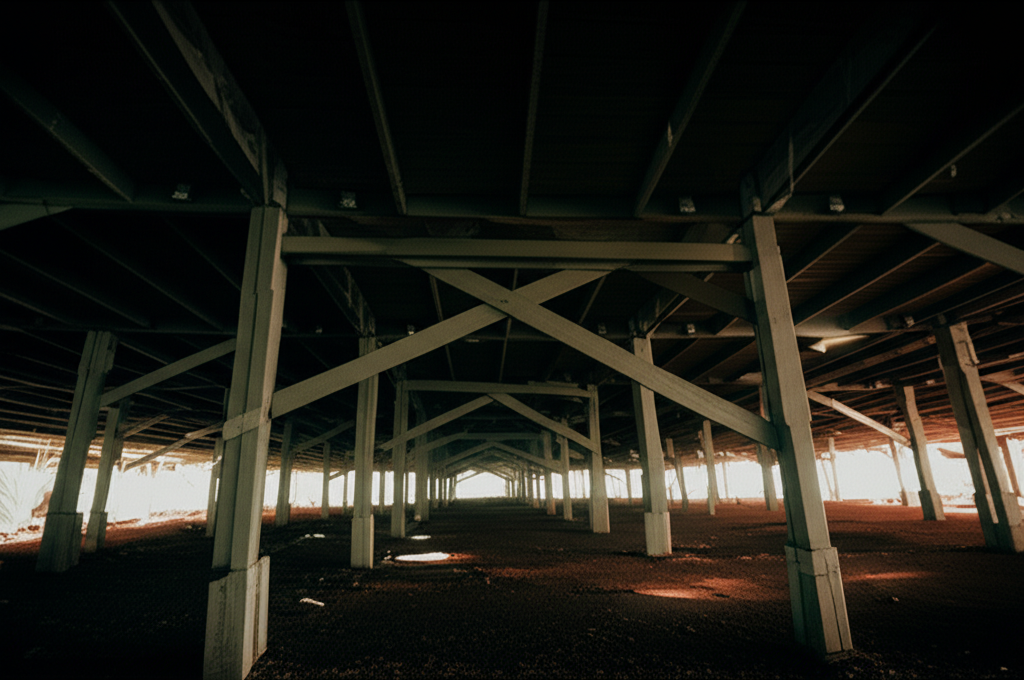
Queenslander homes are uniquely vulnerable to pest infestations because their raised timber construction creates multiple harbourage zones, entry points, and travel pathways that modern slab-on-ground homes simply do not have. Combined with Queensland's subtropical climate, the result is year-round pest pressure that requires a multi-layered defence strategy.
It is not your fault and it is not a maintenance issue — it is structural. Here are the five reasons your Queenslander sees more pest activity than a modern brick home on a concrete slab:
- Raised stumps create underfloor harbourage. The cavity beneath a Queenslander is dark, sheltered, and humid — perfect conditions for cockroaches, rats, and spiders to nest and breed undisturbed. This space acts as a staging area from which pests access the house above.
- Timber construction means gaps and crevices everywhere. Old-growth hardwood shrinks and moves over time. Original window frames, door jambs, and floorboards develop gaps that provide easy pest entry. Even a 1.5 mm gap is wide enough for a German cockroach to squeeze through.
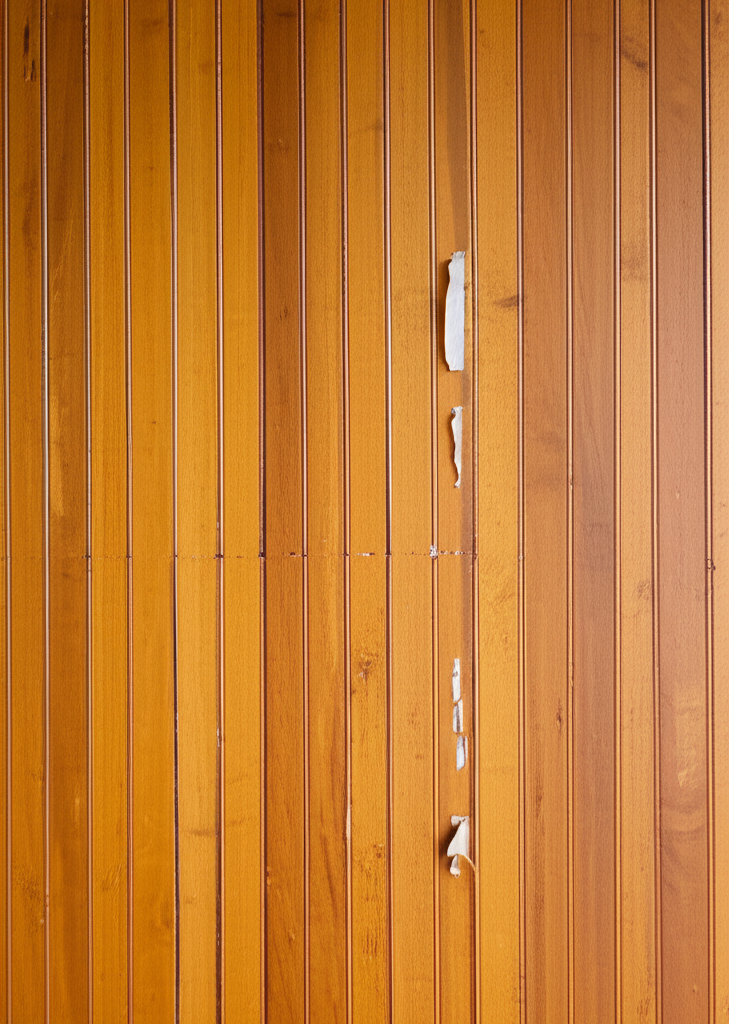
- VJ walls contain hidden cavities. Vertical joint (VJ) board walls — the signature interior lining of a Queenslander — create continuous cavities behind every wall panel. These voids function as internal pest highways, allowing cockroaches and ants to travel unseen from room to room.
- The subtropical climate never lets up. South East Queensland's warm, humid conditions mean pests breed year-round. There is no hard winter freeze to knock populations back. Brisbane averages 283 days above 20°C — which is breeding temperature for most household pests.
- Open-air design invites pests in. Verandahs, high ceilings with ventilation gaps, louvred windows, and lattice-enclosed subfloors were designed to maximise airflow. That same airflow creates dozens of pest entry points that are almost impossible to fully seal without compromising the home's heritage character.
Most Common Pests in Queenslander Homes
Not every pest problem in a Queenslander is the same. Knowing exactly what you are dealing with determines which control methods will actually work. Here are the species Brisbane and QLD homeowners encounter most:
| Pest | Where They Harbour | Threat Level | Notes |
|---|---|---|---|
| German cockroach | Kitchen, bathroom, behind appliances | High | Breeds indoors. Colonies explode fast. The #1 pest complaint in QLD. Identification guide |
| Australian cockroach | Subfloor, garden, verandah, roof void | Moderate | Larger species. Enters from outside, especially during wet season. Prefers leaf litter under the house. |
| Huntsman spider | VJ wall cavities, behind picture frames, verandah | Low–Moderate | Mostly harmless but alarming. Enters through gaps around windows and doors. |
| Redback spider | Subfloor, underside of verandah rails, letterbox | High | Medically significant bite. Thrives in sheltered, undisturbed spots beneath the house. |
| Coastal brown ant | Garden beds, under pavers, subfloor soil | Moderate | Queensland's most common invasive ant. Forms large colonies and trails into kitchens. |
| Rats & mice | Roof void, subfloor, VJ wall cavities | High | Roof rats (Rattus rattus) are the dominant species in QLD. Access via overhanging trees and gaps in eaves. |
| Geckos | External walls, behind light fittings, window frames | Low | Actually beneficial — they eat insects. Only a concern if their droppings become excessive. |
| Subterranean termites | Subfloor timbers, stumps, bearers and joists | Critical | Timber Queenslanders are high-risk. Annual professional inspections are mandatory, not optional. |
If you are unsure which cockroach species you are dealing with, our Australian cockroach identification guide covers the key differences between German, Australian, American, and smoky brown species.
Best Pest Control Approaches for Queenslanders
A single method will not protect a Queenslander. The home's multiple entry points and harbourage zones require a layered strategy. Here are the five approaches that work best together:
1. Physical Barriers
Start with exclusion. The goal is to reduce the number of entry points pests can use to get inside.
- Mesh screens on all windows and doors — especially louvres, which are notorious for gaps.
- Door sweeps and draft strips on external doors, including the verandah door that everyone forgets about.
- Silicone sealant around pipe penetrations in the kitchen and bathroom. Check where the plumbing comes through the floor — these gaps are cockroach superhighways.
- Lattice repair on the subfloor enclosure. Even small holes in the lattice give rats direct access to the underfloor space.
2. Underfloor Treatment
The subfloor is ground zero. For termites, a professional chemical barrier or baiting system is non-negotiable — DIY methods will not cut it for subterranean termite control. For general pest management, a licensed pest controller can treat the underfloor area with a residual spray that lasts 6–12 months.
3. Ultrasonic Repellers
This is where Queenslanders actually have an advantage. Ultrasonic pest repellers emit high-frequency sound waves (22–65 kHz) that cause neurological disruption in cockroaches, spiders, ants, and rodents. In a timber home, these sound waves bounce off hard surfaces and travel into the cavities behind VJ walls and through timber floors — reaching exactly the spaces where pests harbour.
In a modern plasterboard-and-brick home, the sound stays in the room. In a Queenslander, it penetrates deeper into the structure. The open cavities that make the house vulnerable to pests also make ultrasonic treatment more effective. The devices run 24/7, use less power than a nightlight, and are completely safe for pets.
4. Natural Deterrents
Essential oils — particularly peppermint, eucalyptus, and tea tree — are mildly effective as supplementary deterrents around entry points. Apply a few drops near external door frames and window sills. These will not solve an infestation on their own, but they add another layer to your defence.
5. Professional Inspection (Annually)
Every timber Queenslander should have an annual pest inspection by a licensed technician. This is primarily for termite detection — subterranean termites can cause catastrophic structural damage to timber stumps, bearers, and joists before you notice a single visible sign. Queensland Building and Construction Commission (QBCC) recommends annual inspections for all timber-framed homes.
Room-by-Room Protection Guide
A typical 3-bedroom Queenslander has a different pest profile in each room. Here is exactly what to prioritise and how many ultrasonic devices you need for full coverage:
| Room | Primary Pests | Key Actions | Ultrasonic Devices |
|---|---|---|---|
| Kitchen | German cockroaches, ants, mice | Seal pipe gaps under sink. Store food in airtight containers. Clean behind fridge and oven quarterly. | 1 — near the sink or stove |
| Bathroom | Cockroaches, spiders, silverfish | Seal around shower plumbing. Fix dripping taps (moisture attracts pests). Ventilate after showers. | 1 — near the vanity |
| Bedrooms | Spiders, mosquitoes, occasional rodents | Install mesh screens on all windows. Check VJ wall cavities around skirting for gaps. | 1 per bedroom |
| Living area | Cockroaches, ants, spiders | Check behind entertainment units and bookshelves. Vacuum along skirting boards weekly. | 1 — central location |
| Verandah | Spiders, geckos, mosquitoes, wasps | Clear cobwebs monthly. Remove standing water from pot saucers. Check balustrade for redbacks. | 1 if power outlet available |
| Subfloor | Termites, rats, redbacks, roaches | Professional treatment only. Maintain clear access for annual inspections. Remove stored items. | 0 — professional treatment zone |
A standard 3-bedroom Queenslander needs 5–7 ultrasonic devices for full coverage: 3 bedrooms + kitchen + bathroom + living area + verandah (optional). Queenslanders with open-plan renovations may need fewer if rooms flow into each other without solid doors. Take our 30-second quiz to get a personalised recommendation for your layout.
Pest Control Tips Specific to Queensland Climate

Queensland's seasons do not create a pest-free window the way a Melbourne or Hobart winter does. But pest activity does shift throughout the year, and timing your efforts makes them more effective.
Wet Season (November–March)
This is peak pest season in Queensland. Heavy rain drives cockroaches, ants, and rodents out of the ground and into your home. The combination of heat and humidity accelerates breeding cycles — a single German cockroach egg capsule hatches 30–48 nymphs, and in wet season conditions they reach maturity in as little as 6 weeks.
- Ensure all door sweeps and screens are intact before the first storms.
- Clear gutters and downpipes so water drains away from the subfloor.
- Remove leaf litter and mulch from directly against the stumps — this is where Australian cockroaches shelter.
- Have ultrasonic devices running before the season starts. Prevention is always easier than control.
Dry Season (April–October)
Pest activity drops slightly but does not stop. Rats and mice move indoors seeking water as the landscape dries out. Spiders become more visible as they hunt actively rather than waiting in webs. Use this window for maintenance: seal any new gaps in the timber, schedule your annual termite inspection, and replace any worn door sweeps.
Storm Preparation
Queensland storms can drive massive pest displacement in a single night. After a heavy storm or flood event, expect a surge in cockroach and ant activity as colonies are flushed from the ground. Keep your defences running year-round rather than reacting to each event.
Frequently Asked Questions
Why do Queenslander homes get so many cockroaches?
Queenslander homes attract cockroaches due to their raised timber construction, which creates dark, humid harbourage zones beneath the floor. VJ walls contain cavities that provide sheltered pathways throughout the house. The subtropical Queensland climate means cockroaches — particularly German and Australian species — breed year-round rather than dying off in winter. Gaps around original timber windows, doors, and verandah balustrades give roaches easy entry points that modern brick homes simply do not have.
How many ultrasonic pest repellers do I need for a Queenslander?
A typical 3-bedroom Queenslander needs 5 to 7 ultrasonic pest repellers for full coverage: one per bedroom, one in the kitchen, one in the bathroom, one in the main living area, and ideally one on the verandah if it has a power outlet. Ultrasonic sound waves cannot pass through walls, so each enclosed room needs its own device. Queenslanders often have more open floor plans than modern homes, which can reduce the total count slightly — but the VJ walls and timber partitions still block ultrasonic signals.
Do ultrasonic pest repellers work in old timber homes?
Yes, and they can actually be more effective in timber homes than in modern brick or concrete construction. Ultrasonic sound waves bounce off hard surfaces and travel well through the open cavities found in timber-framed walls and floors. In a Queenslander, the sound can penetrate into VJ wall cavities and underfloor spaces where pests harbour — areas that chemical sprays often miss. For best results, place one device per room and keep them running 24/7.
What is the best time of year to start pest control in Queensland?
The best time to start pest control in Queensland is September to October, just before the wet season drives pest activity to its annual peak. However, because Queensland's subtropical climate supports year-round pest breeding, there is no bad time to start. If you are seeing pests now, act now. Waiting for a “better” season just gives populations more time to establish. Ultrasonic repellers work continuously regardless of season, making them ideal for Queensland's 12-month pest calendar.
Protect Your Queenslander — Chemical Free
Take our 30-second quiz to find out how many devices your home needs. The device is free — just pay $12.95 shipping. 90-day money-back guarantee.
Take the Quiz →