Are Ultrasonic Pest Repellers Safe for Pets? A Complete Guide for Australian Pet Owners
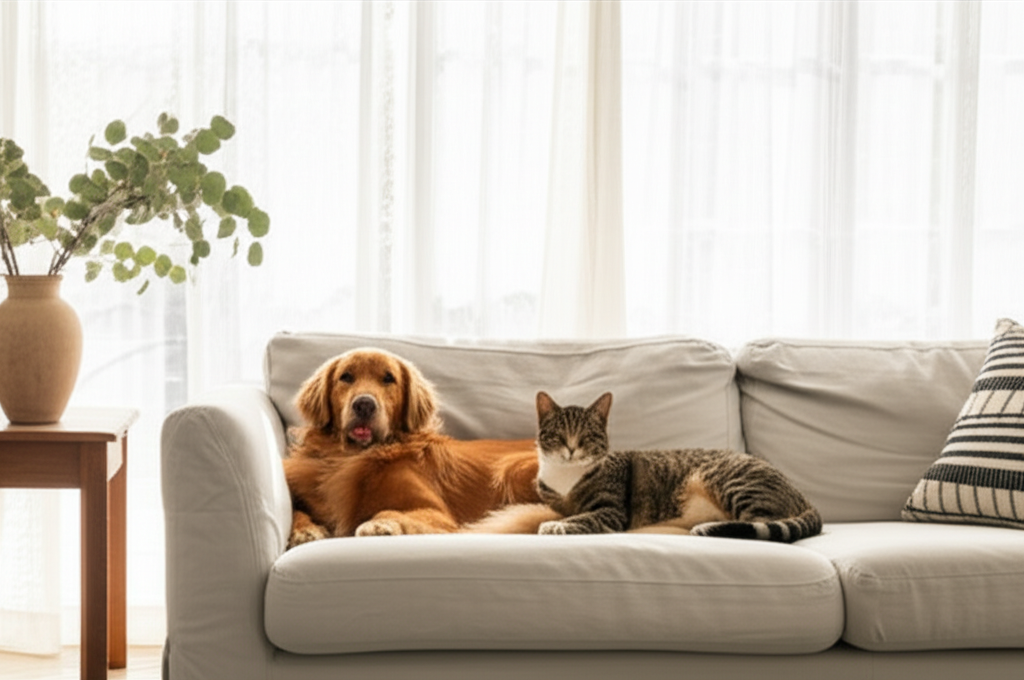
If you share your home with both pests and pets, you have probably asked yourself: are ultrasonic pest repellers safe for pets? It is a fair question. You want to evict cockroaches, spiders, and rodents without putting your dog, cat, or goldfish at risk.
The short answer is that ultrasonic pest repellers are safe for the vast majority of household pets. But the full picture depends on the species you keep, the frequency range of the device, and where you place it. This guide covers the science behind each pet type so you can make a confident, informed decision.
How Ultrasonic Pest Repellers Work
Ultrasonic pest repellers emit high-frequency sound waves — typically between 20 kHz and 65 kHz — that sit above the range of normal human hearing (which tops out around 20 kHz). These frequencies create an uncomfortable acoustic environment for insects and rodents, discouraging them from nesting in your home.
The devices do not use chemicals, poisons, or traps. They simply plug into a standard power outlet and work continuously. Because the sound waves are non-toxic and non-lethal, they are one of the most family-friendly pest control methods available.
For a deeper look at the technology, read our full guide on how ultrasonic pest repellers work.
Are Ultrasonic Pest Repellers Safe for Dogs?
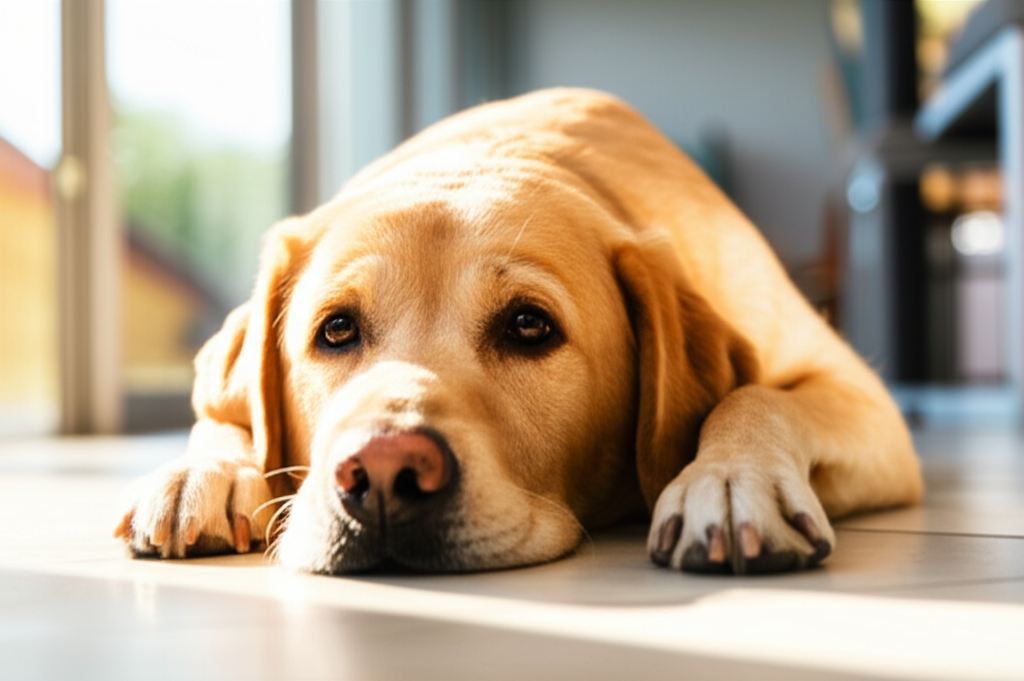
Yes, ultrasonic pest repellers are safe for dogs. Dogs have an impressive hearing range that extends from approximately 67 Hz up to 45,000 Hz (45 kHz), with some breeds capable of detecting sounds as high as 65 kHz. That means your dog can technically perceive some of the frequencies emitted by an ultrasonic device.
However, the key factor is not whether a dog can hear the sound — it is whether the sound causes distress. Domestic ultrasonic pest repellers produce sound pressure levels between 80 and 100 dB at close range, which drops off rapidly with distance. At the typical 2 to 3 metre gap between a power outlet and a dog bed, the intensity is comparable to background white noise — noticeable, but not painful.
In practice, your dog may perk up its ears briefly when you first plug the device in. Within a day or two, most dogs ignore it entirely. There are no peer-reviewed studies documenting hearing damage or stress responses in dogs from domestic ultrasonic pest repellers.
Are Ultrasonic Pest Repellers Safe for Cats?
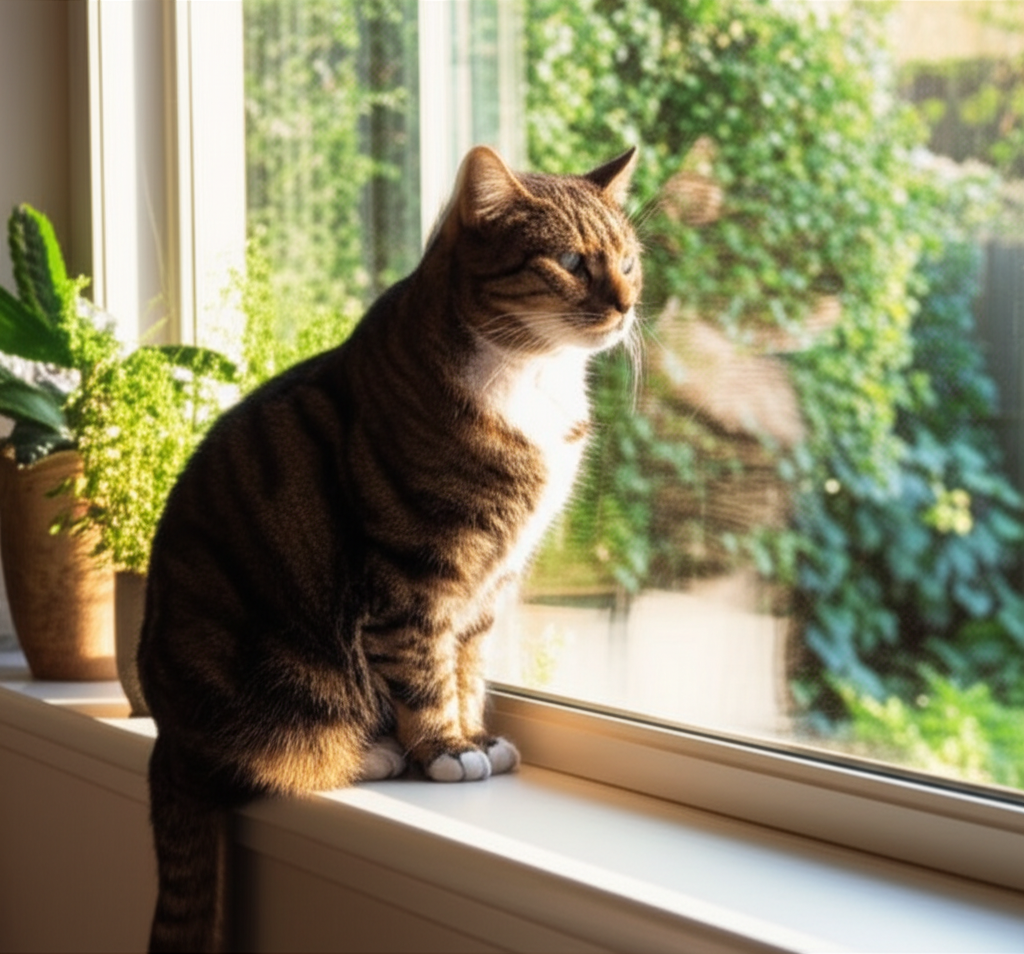
Yes, ultrasonic pest repellers are safe for cats. Cats have one of the widest hearing ranges of any domestic animal, detecting frequencies from about 48 Hz all the way up to 79,000 Hz (79 kHz). This exceptional high-frequency sensitivity evolved to help them locate prey — and it does mean cats can perceive more of the ultrasonic spectrum than dogs can.
Despite this, the sound pressure levels produced by plug-in pest repellers are not intense enough to cause pain or distress. Think of it like a distant, faint hum — detectable, but easy to tune out. Cats are particularly good at habituating to consistent background sounds, which is exactly what these devices produce.
If you have an unusually sensitive cat that seems unsettled during the first day, simply move the repeller to a different outlet a few metres away. This is rare — the overwhelming majority of cat owners report no issues whatsoever.
What About Birds, Fish, and Reptiles?
Ultrasonic pest repellers are generally safe for birds, fish, and reptiles. The reason comes down to hearing biology.
Birds have a hearing range of roughly 200 Hz to 8,500 Hz, with most species topping out well below 12 kHz. Ultrasonic frequencies above 20 kHz are entirely outside their perceptible range. Your budgie, cockatiel, or parrot will not hear the device at all.
Fish detect sound through vibration and lateral line pressure, primarily in the 20 Hz to 3,000 Hz range. Ultrasonic frequencies do not propagate meaningfully through the glass walls of an aquarium at domestic power levels. Your fish are unaffected.
Reptiles — including geckos, bearded dragons, and snakes — hear in the low-frequency range, typically 50 Hz to 5,000 Hz. The ultrasonic spectrum is completely inaudible to them. You can safely place a repeller in the same room as a reptile enclosure.
Bottom line: If your household pets are limited to dogs, cats, birds, fish, or reptiles, an ultrasonic pest repeller is a safe, chemical-free pest control solution. No special precautions needed beyond the first day of observation.
Pets to Be Cautious With: Hamsters, Guinea Pigs, Rabbits, and Pet Rodents
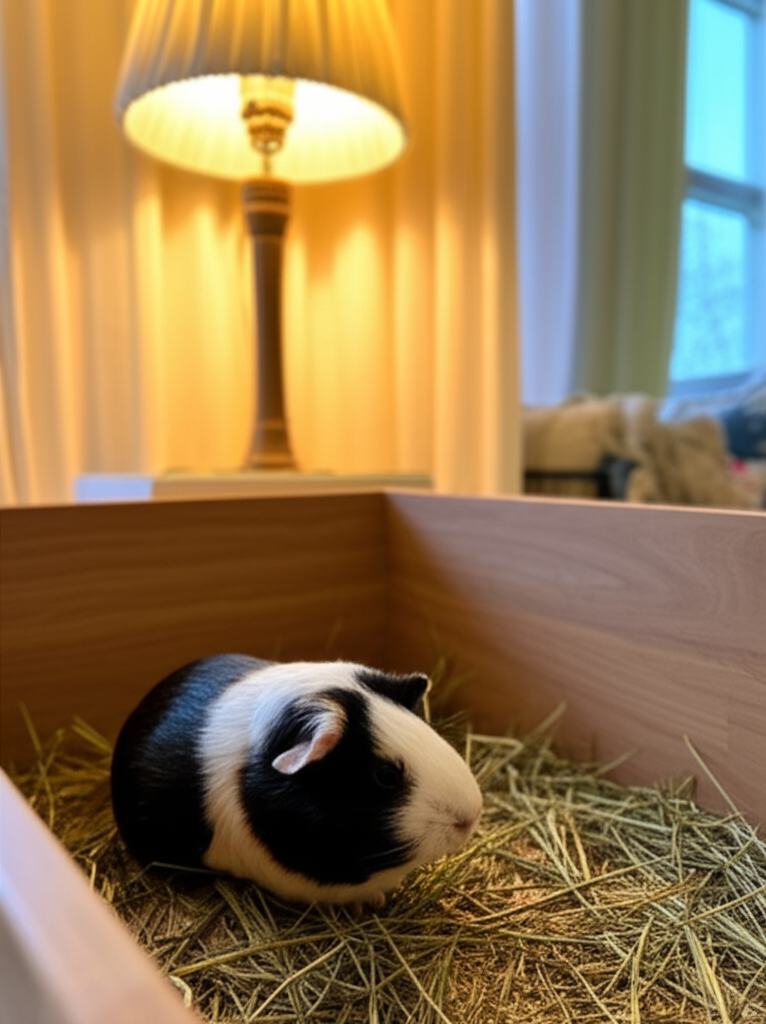
This is the one category that requires genuine caution. If you keep hamsters, guinea pigs, mice, rats, or rabbits, you need to be aware that these animals share biological similarities with the wild rodents that ultrasonic devices are specifically designed to repel.
Hamsters hear frequencies up to approximately 46 kHz. Guinea pigs detect sounds up to around 49 kHz. Mice and rats can hear well above 60 kHz — and in fact, they use ultrasonic vocalisations to communicate with each other. Because these animals' hearing overlaps directly with the target frequency range, an ultrasonic pest repeller may cause them genuine stress.
Important: Do not place an ultrasonic pest repeller in the same room as pet hamsters, guinea pigs, mice, rats, or rabbits. Their hearing range overlaps with the frequencies used to deter pest rodents, and the sound may cause anxiety or distress.
The good news is that ultrasonic sound waves do not penetrate walls effectively. If your small pet lives in a bedroom and the repeller is in the kitchen or hallway — even just one room away with a closed door — they will not be affected. The solution is placement, not avoidance.
Rabbits sit in a similar category. While they hear up to about 42 kHz (slightly lower than hamsters), they are still sensitive to ultrasonic frequencies. Apply the same rule: keep repellers out of the room your rabbit occupies.
How BanishBugs Protects Your Pets
Not all ultrasonic pest repellers are created equal. Some cheap imports blast a single, aggressive frequency at maximum volume. BanishBugs takes a smarter approach.
The BanishBugs device uses a variable frequency sweep rather than a fixed tone. This cycling pattern prevents pests from habituating to the sound (a common problem with basic single-frequency units) while also keeping the output at levels that are comfortable for household pets. The frequency range is optimised for Australian pest species — cockroaches, spiders, and mice — without pushing into ranges that would disturb dogs or cats.
- Variable sweep technology — cycles through effective frequencies rather than blasting one tone
- Low-intensity output — powerful enough for pests, comfortable for pets
- Chemical-free — no residues, no toxins, no risk of accidental pet ingestion
- 4.9 stars from 4,200+ Australian reviews — thousands of pet owners use BanishBugs daily
- 90-day money-back guarantee — if you or your pet are not happy, you get a full refund
The device itself is free — you only pay $12.95 shipping. That makes it easy to test in your home with zero risk. If your pet shows any unusual response (rare, but every animal is different), simply unplug it and request a refund.
Frequently Asked Questions
Can ultrasonic pest repellers hurt my dog's ears?
No. While dogs can hear frequencies up to approximately 65 kHz, quality ultrasonic pest repellers like BanishBugs operate at intensities and sweep patterns that do not cause pain or distress. Dogs may briefly notice the sound when the device is first plugged in but quickly habituate to it. Thousands of Australian dog owners use ultrasonic pest repellers without any reported issues.
Should I turn off my ultrasonic pest repeller when my cat is in the room?
Generally, no. Cats have a hearing range that extends to about 79 kHz, so they may faintly perceive some ultrasonic frequencies. However, the sound pressure levels produced by domestic pest repellers are far too low to cause discomfort. Most cats ignore the device entirely. If your cat seems unsettled in the first 24 hours, simply move the unit to another power point — but this is rare.
Is it safe to use an ultrasonic pest repeller if I have a pet hamster or guinea pig?
Use caution. Hamsters, guinea pigs, mice, rats, and rabbits are closely related to the rodents these devices are designed to repel. Their hearing overlaps significantly with the target frequency range, so ultrasonic sound may cause them stress. Avoid placing a repeller in the same room as these small pets. In a separate room with a closed door, the device will not affect them.
Pet-Safe Pest Control — Free Device
Join 50,000+ Aussie homes using BanishBugs to repel pests without chemicals. Take the 30-second quiz to claim your free device.
Claim Your FREE Device →Free device. $12.95 shipping. 90-day guarantee.