How Much Does Pest Control Cost in Australia? (2026 Guide)

Pest control is one of those expenses most Australian homeowners and renters don't think about — until they're Googling exterminator prices at midnight after spotting cockroaches in the kitchen. The truth is, professional pest control costs add up fast. Here's what you'll actually pay in 2026, what drives those prices, and where you might be overspending.
Whether you're dealing with cockroaches in a Sydney apartment, ants marching through a Brisbane kitchen, or spiders setting up camp in a Melbourne garage, the first question is always the same: how much is this going to cost me?
We've compiled up-to-date pricing data for every major pest control service in Australia so you can budget properly, avoid being overcharged, and decide whether professional treatment is actually the best use of your money for the pest you're dealing with.
Average Pest Control Costs in Australia (2026)
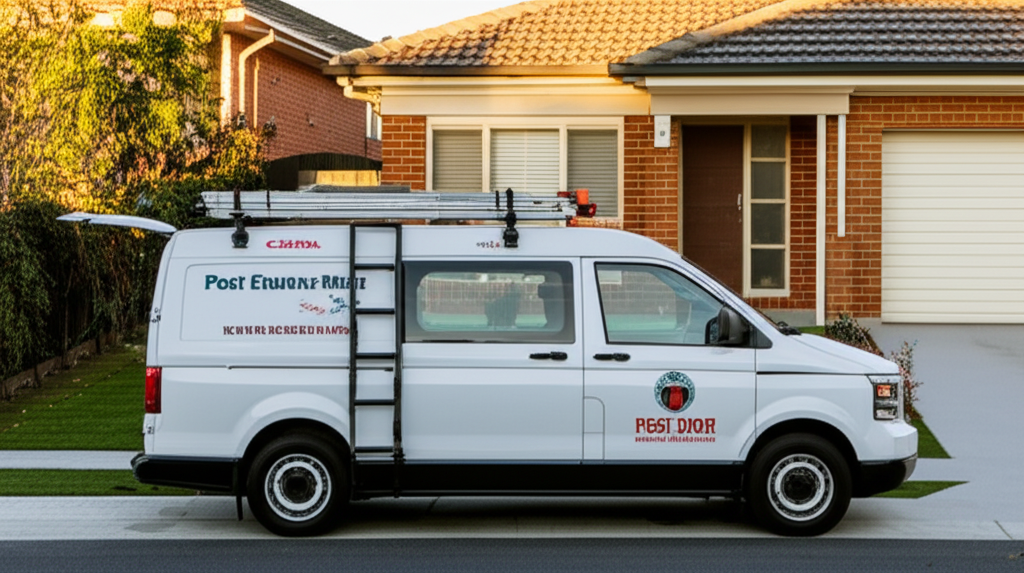
Here's what you can expect to pay for professional pest control across Australia in 2026. All prices are in AUD and represent typical ranges for a standard 3–4 bedroom home.
| Service Type | Price Range (AUD) | Frequency |
|---|---|---|
| General pest spray | $150 – $350 | Every 6–12 months |
| Cockroach treatment | $150 – $300 | Quarterly to annually |
| Ant treatment | $100 – $250 | As needed / annually |
| Spider treatment | $150 – $300 | Every 6–12 months |
| Rodent treatment | $200 – $500 | As needed + follow-up |
| Termite inspection | $250 – $400 | Annually |
| Termite treatment | $2,000 – $5,000+ | As needed (barrier or baiting) |
These ranges represent national averages. Expect to pay more in metro areas (Sydney, Melbourne, Brisbane) and less in regional towns. Property size, pest severity, and whether it's a one-off or ongoing contract will also shift the final price. Always get at least two quotes before committing to a provider.
What Affects the Price of Pest Control?
If you've ever been quoted wildly different prices by two different pest control companies, it's not just because one is overcharging. Several factors genuinely affect what you'll pay.
- Property size. A one-bedroom unit is cheaper to treat than a sprawling 5-bedroom house. Most companies price by square metreage or number of rooms. A larger property means more chemical product, more labour time, and a higher bill.
- Pest type. A routine general spray for common household pests is at the lower end. Targeted treatments for specific species — like German cockroaches, which require gel baiting rather than surface sprays — cost more. Termites sit in a completely different price bracket because the treatments (chemical barriers, baiting systems) are more involved.
- Severity of infestation. A minor cockroach issue that's caught early might be resolved in a single treatment. A serious, established infestation may require multiple visits, more aggressive chemicals, and follow-up inspections. Some companies charge a flat rate per visit; others adjust based on severity.
- Access difficulty. Roof cavities, subfloor spaces, heavily cluttered areas, and multi-storey properties take longer to treat and may require additional equipment. If the technician needs to crawl through a tight subfloor to reach the source of a termite problem, that's reflected in the quote.
- Location. Metropolitan areas like Sydney and Melbourne generally have higher pest control costs than regional areas. That said, some regional providers charge travel fees for properties outside their standard service area, which can level the playing field.
- One-off vs. ongoing contract. Most pest control companies offer discounted rates if you sign up for an annual or quarterly service plan. A one-off general spray might cost $280, but the same company might charge $220 per visit on a 12-month contract with three scheduled treatments. If you need regular pest management, an ongoing plan is almost always better value.
How Often Do You Need Professional Pest Control?
This depends on your pest type, property, and climate zone — but here are the general recommendations from Australian pest management professionals.
General pest spray: Every 6 to 12 months is the standard recommendation for most Australian homes. If you live in a newer, well-sealed property in a temperate climate, you might stretch to annually. Older homes in humid areas (coastal QLD, northern NSW, the Top End) often need treatment every 6 months.
Cockroaches: Homes with persistent cockroach problems — particularly German cockroaches, which breed rapidly indoors — may need quarterly treatments until the population is under control. After that, a 6–12 month maintenance cycle is usually sufficient. If cockroaches keep coming back after the exterminator, it's often a sign of untreated harbourage points or structural entry points rather than a need for more chemical.
Termites: Annual inspections are non-negotiable for Australian homeowners. The Australian Standard (AS 3660) recommends annual visual inspections for all homes, and more frequent monitoring for properties with known termite activity or in high-risk zones. Skipping a year to save $300 can result in tens of thousands of dollars in structural damage.
Rodents: Rodent treatment is typically reactive — you call when you have a problem. However, baiting stations around the perimeter of your home (especially rural and semi-rural properties) can be maintained on a quarterly or seasonal basis.
The True Annual Cost of Pest Control

When you add up the real-world frequency of treatments, the annual cost of keeping an average Australian home pest-free through professional services is higher than most people expect.
Here's what a typical year looks like for a standard 3-bedroom home:
- Conservative approach (1–2 treatments/year): $150 – $700
- Moderate approach (2–3 treatments/year, cockroach-specific): $450 – $1,050
- Comprehensive (quarterly general + annual termite inspection): $850 – $1,800
And that's before you factor in emergency call-outs. Found a mouse in the pantry? That's a $200–$500 call on top of your regular pest schedule. Wasps nesting in the eaves? Another $150–$300.
An average household spending $450–$1,050 per year on professional pest control is paying $3,150–$7,350 over a 7-year period for a service that wears off between treatments. By comparison, an ultrasonic pest repeller like BanishBugs costs $12.95 once and provides continuous, chemical-free deterrence 24 hours a day. That's not to say it replaces professional treatment for severe infestations — but for ongoing everyday pest management, the maths isn't even close.
Cost-Effective Alternatives to Professional Pest Control
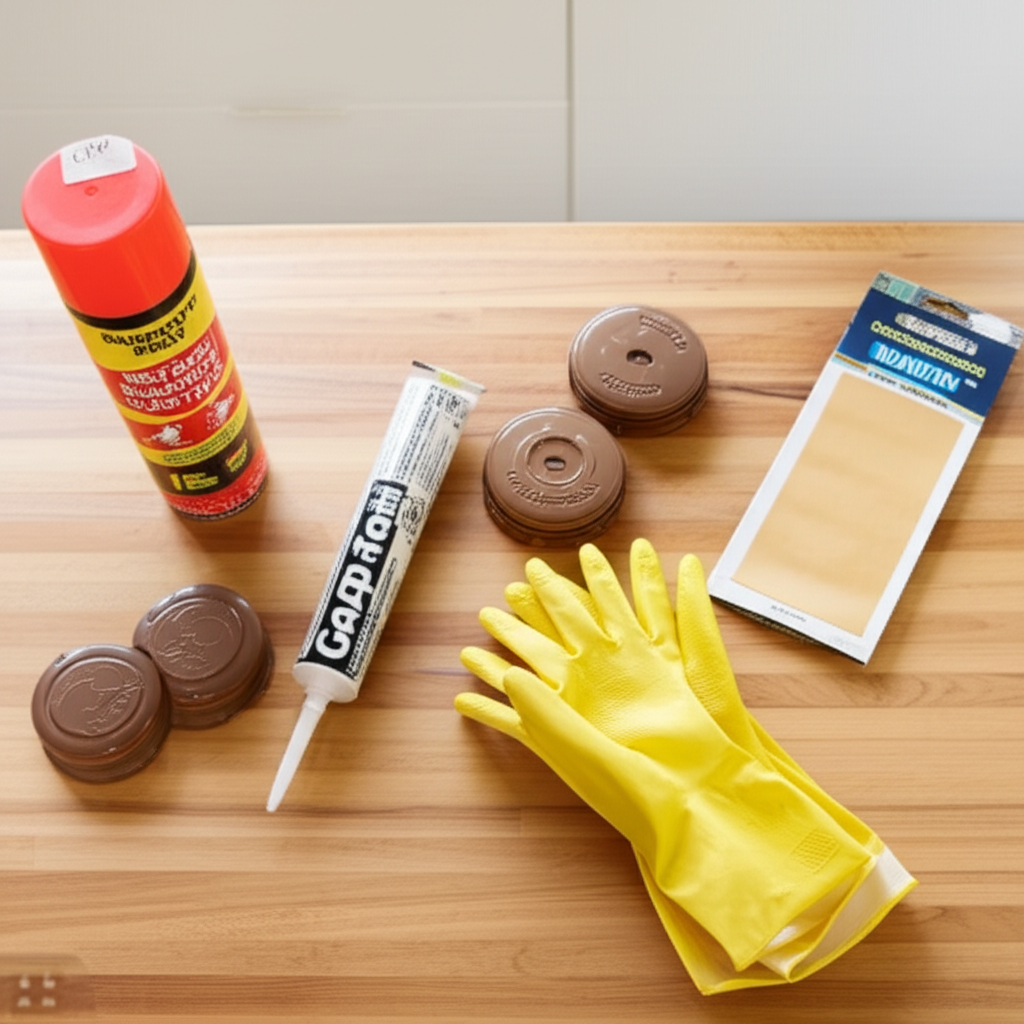
Professional pest control has its place — particularly for termites, severe infestations, and species that require specialised treatment. But for the everyday cockroaches, ants, and spiders that most Australian households deal with, there are more cost-effective ways to keep your home pest-free.
Prevention First
The cheapest pest control is stopping them from getting in. Seal gaps around pipes and doors. Keep food in airtight containers. Take bins out nightly. Fix leaking taps (cockroaches need water more than food). Declutter storage areas. These habits alone can reduce pest pressure significantly — and they cost nothing. Our guide to chemical-free pest control methods covers the full prevention checklist.
DIY Products
For minor pest issues, DIY products from Bunnings or the supermarket can be effective. Surface sprays ($10–$25), ant baits ($8–$15), and cockroach gel baits ($15–$20) handle localised problems without paying for a professional call-out. The downside: you're still using chemicals in your home, results vary, and you'll need to reapply regularly.
Ultrasonic Pest Repellers
This is where the value equation shifts dramatically. Ultrasonic pest repellers emit high-frequency sound waves that are inaudible to humans but uncomfortable for common household pests. They plug into a standard power outlet and work continuously — no chemicals, no sprays, no traps to empty, no recurring costs.
BanishBugs is specifically designed for Australian homes. It covers a large room area, is safe around children and pets, and costs $12.95 one-time (shipping only — the device is free). Compare that to $150–$350 every 6 months for a general spray and the long-term savings are substantial.
Ultrasonic repellers work best as ongoing deterrence — keeping pests away once you've dealt with an existing problem. They're not a replacement for professional termite treatment or severe rodent infestations. But for keeping cockroaches, ants, and spiders from setting up camp in your kitchen, bathroom, and bedrooms? That's exactly what they're built for.
Professional Treatment — When It's Actually Worth It
Save the professional call-out for situations that genuinely warrant it:
- Termites. Always. Never attempt DIY termite treatment — the risk of structural damage is too high.
- Severe infestations that DIY methods haven't resolved after 2–4 weeks.
- Rodents inside walls or roof cavities where you can't reach them.
- Pre-purchase property inspections (required for most home loans anyway).
For everything else, a combination of good prevention habits and continuous ultrasonic deterrence can keep your home pest-free at a fraction of the cost of quarterly professional treatments.
Frequently Asked Questions
-
A general pest spray for a standard 3-bedroom Australian home costs between $150 and $350 per treatment in 2026. The exact price depends on your property size, location (metro areas tend to cost more), and the pest control company you use. Most providers recommend a general spray every 6 to 12 months, which means an annual cost of $300 to $700 for ongoing protection.
-
For severe infestations — particularly termites, rodents, or persistent cockroach problems — professional pest control is worth the investment. Termite damage alone costs Australian homeowners an average of $10,000 to repair. However, for general pest deterrence, many households overspend on recurring treatments when prevention methods and alternatives like ultrasonic pest repellers can maintain a pest-free home at a fraction of the cost.
-
Most pest control professionals recommend a general pest spray every 6 to 12 months for Australian homes. Properties in warmer, more humid states like Queensland and the Northern Territory may need quarterly treatments for cockroaches specifically. Annual termite inspections are recommended for all Australian homeowners, regardless of location. The frequency ultimately depends on pest type, property age, and local conditions.
-
Yes. DIY pest control products are widely available at Bunnings and supermarkets across Australia. Surface sprays cost $10 to $25, baits and traps $8 to $20, and plug-in ultrasonic repellers like BanishBugs are a one-time purchase of $12.95. DIY methods work well for prevention and minor issues. However, for serious infestations — particularly termites — you should always use a licensed professional, as incorrect treatment can cause further structural damage.
Stop Paying Hundreds for Pest Control Every Year
Take our 30-second quiz to find out which BanishBugs pack suits your home. The device is free — just $12.95 shipping. 90-day money-back guarantee.
Take the Quiz →