
Most people find cockroaches disgusting. That instinctive recoil when one scurries across your kitchen floor? It's well-founded. Cockroaches aren't just unpleasant to look at — they are a genuine, documented health hazard that the World Health Organisation identifies as carriers of intestinal diseases and allergens linked to asthma.
In Australia, where warm and humid conditions allow cockroaches to thrive year-round, the health risks are especially relevant. Unlike cooler climates where roach activity drops in winter, Australian households face continuous exposure. If you've ever wondered whether those cockroaches in your kitchen are actually dangerous — or whether the health warnings are overblown — this article lays out the specific diseases, transmission pathways, and allergy risks backed by medical research.
The short answer: yes, cockroaches carry disease. A single cockroach can harbour over 30 species of bacteria on its body at any given time. Here's exactly what that means for your family.
What Diseases Do Cockroaches Carry?
Cockroaches don't cause disease the way mosquitoes do — they don't bite and inject pathogens into your bloodstream. Instead, they act as mechanical vectors, picking up bacteria, viruses, and parasites from contaminated environments (sewers, drains, rubbish) and depositing them onto surfaces where you prepare and eat food.
Research published in the Journal of Medical Entomology has identified the following pathogens commonly carried by cockroaches found in residential settings:
| Pathogen | Disease / Condition | Common Symptoms |
|---|---|---|
| Salmonella spp. | Salmonellosis (food poisoning) | Diarrhoea, fever, abdominal cramps lasting 4-7 days |
| Escherichia coli (E. coli) | Gastroenteritis | Severe stomach cramps, bloody diarrhoea, vomiting |
| Staphylococcus spp. | Skin infections, food poisoning | Boils, impetigo, nausea, vomiting within hours of exposure |
| Streptococcus spp. | Throat and respiratory infections | Sore throat, fever, swollen lymph nodes, pneumonia |
| Campylobacter spp. | Campylobacteriosis | Bloody diarrhoea, cramping, fever lasting 2-5 days |
| Shigella spp. | Dysentery | Bloody diarrhoea, fever, stomach pain, rectal straining |
| Salmonella typhi | Typhoid fever | Sustained high fever, weakness, stomach pain, headache |
That's not an exhaustive list. Cockroaches have also been found carrying Pseudomonas aeruginosa (wound infections), Klebsiella pneumoniae (urinary and respiratory infections), and various parasitic worm eggs. The point isn't to memorise every pathogen — it's to understand that cockroaches are walking contamination hazards, and every surface they touch becomes a potential source of infection.
How Do Cockroaches Spread Disease?
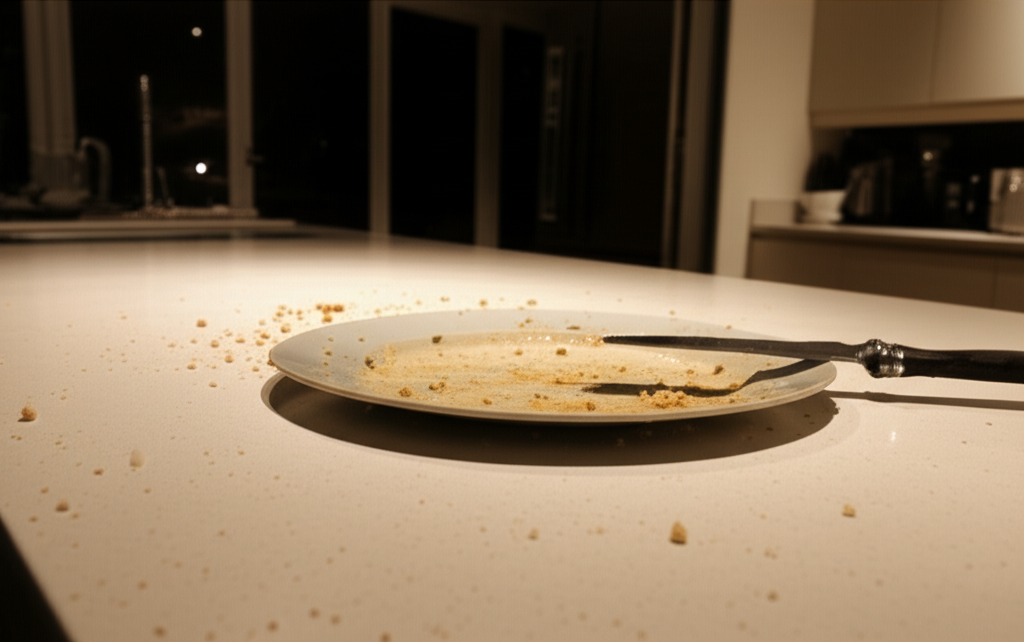
Cockroaches rarely bite humans. That's not how they make you sick. The real danger is contamination — and they're remarkably efficient at it. Here are the four primary transmission pathways:
- Walking across food preparation surfaces. A cockroach that's just crawled through a sewer pipe or drain carries bacteria on its legs, body, and the tiny spines (setae) that cover its limbs. When it walks across your kitchen benchtop, chopping board, or stovetop, it deposits those pathogens directly onto surfaces where you handle food. Research shows a single cockroach leaves a trail of bacteria with every step it takes.
- Droppings and shed skins in food storage areas. Cockroach droppings — small, dark, pepper-like specks — accumulate in cupboards, pantries, and behind appliances. Each dropping contains concentrated bacteria. Shed exoskeletons (cockroaches moult 5 to 8 times before reaching adulthood) crumble into fine particles that contaminate stored food and become airborne allergens.
- Regurgitating digestive fluids onto food. Cockroaches practice what entomologists call "extraoral digestion" — they regurgitate saliva and digestive fluids onto food to soften it before eating. If a cockroach has been feeding on rotting matter or faeces, those digestive fluids transfer pathogens directly onto whatever food it contacts next.
- Carrying bacteria on legs and body. Studies using scanning electron microscopy have shown that the surface of a cockroach's body — particularly its legs and mouthparts — provides an ideal environment for bacteria to adhere and multiply. A cockroach doesn't need to spend long on a contaminated surface to pick up dangerous levels of bacteria. Brief contact with sewage, animal droppings, or decaying food is enough.
Key point: You don't need to see a cockroach on your food for contamination to occur. If roaches are active in your kitchen overnight, they're walking across every accessible surface — benchtops, utensil drawers, dish racks, and the rims of glasses left out to dry. The bacteria they leave behind are invisible.
Cockroaches and Allergies: A Hidden Health Crisis

Beyond the bacteria they carry, cockroaches trigger a separate category of health problems that many Australians don't connect to pest infestations: allergic reactions and asthma.
Cockroach allergens are proteins found in their droppings, shed skins, saliva, and decomposing bodies. These particles are small enough to become airborne — especially when disturbed by foot traffic, air conditioning, or vacuuming — and are then inhaled into the lungs.
The health impacts are significant and well-documented:
- Asthma attacks. Cockroach allergens are one of the most potent indoor asthma triggers identified by medical researchers. A landmark study published in the Journal of Allergy and Clinical Immunology found cockroach allergens present in 63% of Australian homes tested. In children sensitised to cockroach proteins, exposure significantly increases the frequency and severity of asthma episodes. Children living in cockroach-infested homes are more likely to require hospital visits for asthma-related emergencies.
- Allergic rhinitis. Chronic exposure to cockroach allergens causes persistent nasal congestion, sneezing, runny nose, and itchy or watery eyes — symptoms often mistaken for hay fever or a lingering cold. Unlike pollen allergies that are seasonal, cockroach allergies persist year-round in warm Australian climates where cockroaches remain active through every season.
- Eczema flare-ups. Dermatological research has linked cockroach allergen exposure to worsening atopic dermatitis (eczema), particularly in children. The immune response triggered by inhaling or contacting cockroach proteins can exacerbate skin inflammation and itching.
- Year-round exposure in warm climates. In most of Australia — from Brisbane and Sydney to Perth and Darwin — cockroaches don't have a dormant season. This means allergen accumulation is continuous. Droppings and shed skins build up behind appliances, inside wall cavities, and under furniture, creating a persistent indoor allergen load that standard cleaning often fails to fully address.
Who's Most at Risk?
While cockroach-related illness can affect anyone, certain groups face disproportionately higher risk:
- Children. Their developing immune systems are more vulnerable to bacterial infections, and they're more likely to put contaminated objects in their mouths. Children are also the group most affected by cockroach-induced asthma — the Asthma Australia Foundation reports that asthma affects 1 in 9 Australian children, and indoor allergens including cockroach proteins are a leading trigger.
- Elderly people. Reduced immune function means foodborne illnesses caused by Salmonella or E. coli can progress to serious complications — dehydration, sepsis, and hospitalisation — more quickly than in younger adults.
- Immunocompromised individuals. People undergoing chemotherapy, living with HIV/AIDS, or taking immunosuppressive medications after organ transplants are at significantly higher risk of severe illness from the bacteria cockroaches spread.
- People with existing asthma or allergies. If you already have asthma, allergic rhinitis, or eczema, cockroach allergens can dramatically worsen your symptoms. Many people manage their asthma with medication without realising that the underlying trigger is a cockroach infestation they can't see — roaches hiding in wall cavities, behind the fridge, or under the dishwasher.
How to Protect Your Family
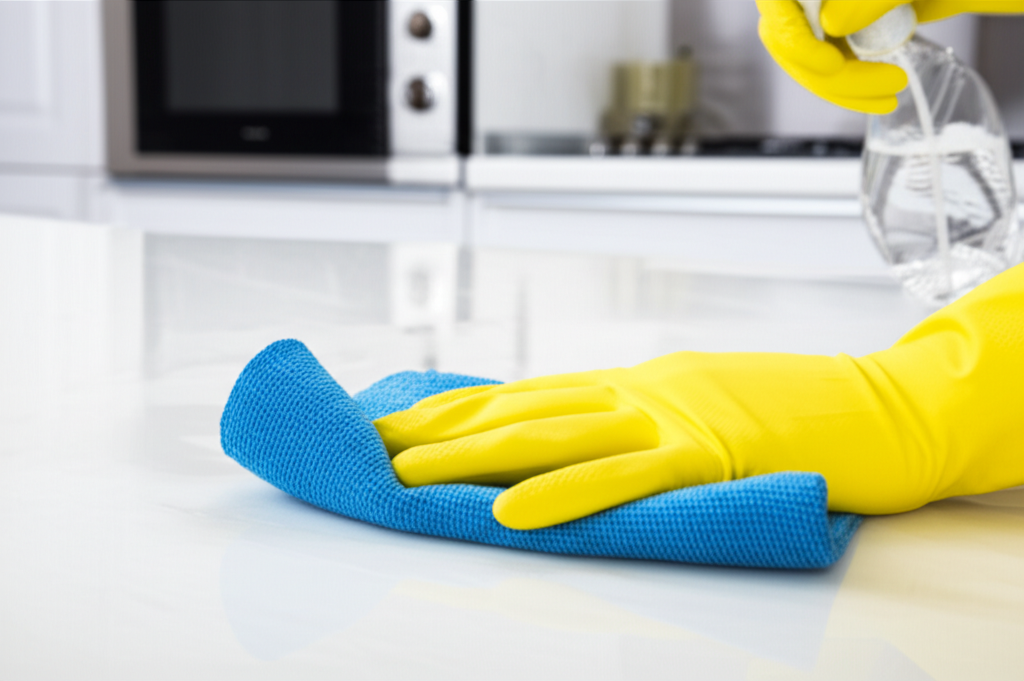
Eliminating the health risks from cockroaches requires a three-pronged approach: hygiene, exclusion, and continuous deterrence. No single method is enough on its own.
1. Hygiene — Remove What Attracts Them
- Store all food — including pet food — in sealed, airtight containers.
- Wipe down benchtops, stovetops, and dining surfaces every evening.
- Don't leave dirty dishes in the sink overnight.
- Take rubbish out daily and use bins with tight-fitting lids.
- Clean behind and under appliances (fridge, oven, dishwasher) monthly — these are prime cockroach harbourage zones.
2. Exclusion — Block Their Entry
- Seal gaps around pipes, vents, air conditioning units, and door frames with silicone caulk.
- Fix dripping taps and leaking pipes — cockroaches need water more urgently than food.
- Install weather stripping under doors, particularly in ground-floor units and older homes.
- Inspect grocery deliveries and cardboard boxes before bringing them inside — cockroaches are prolific hitchhikers.
For a detailed step-by-step guide, see our article on how to cockroach-proof your kitchen.
3. Continuous Deterrence — Keep Them Out 24/7
Hygiene and exclusion reduce attractants and entry points, but they don't create an active deterrent. This is where ongoing protection matters — particularly a solution that works continuously without leaving chemical residue on the surfaces where your family prepares food.
Ultrasonic pest repellers emit high-frequency sound waves that are inaudible to humans and pets but create a hostile environment for cockroaches. They run 24/7 from a standard power outlet, require no maintenance, and — critically — don't deposit any chemicals on the kitchen surfaces where cockroach-borne bacteria pose the greatest risk.
Worth knowing: BanishBugs ultrasonic repellers are currently available free — you only pay $12.95 shipping. The device is backed by a 90-day money-back guarantee and has a 4.9-star rating from over 4,200 verified Australian customers. When the goal is reducing disease risk, having continuous protection running in every room matters. Take the 30-second quiz to find the right coverage plan for your home.
For more on how to get rid of cockroaches using multiple methods ranked by effectiveness, see our complete guide.
Frequently Asked Questions
Can you get sick from cockroaches in your house?
Yes, cockroaches in your house can make you sick. They carry over 30 species of bacteria including Salmonella and E. coli, which cause food poisoning and gastroenteritis. Cockroaches contaminate food and kitchen surfaces by walking across them after travelling through drains, sewers, and rubbish. Their droppings, shed skins, and saliva also contain potent allergens that trigger asthma attacks and allergic reactions — particularly in children. The World Health Organisation classifies cockroaches as unhygienic scavengers that spread intestinal diseases.
Do cockroaches cause asthma in children?
Cockroach allergens are a significant asthma trigger in children. Research published in the Journal of Allergy and Clinical Immunology found that cockroach allergens were present in 63% of Australian homes tested. In sensitised children, exposure to cockroach allergens increases the frequency and severity of asthma attacks. The proteins found in cockroach droppings, shed skins, and saliva become airborne and are inhaled, causing inflammation in the airways. Children living in homes with cockroach infestations are more likely to require emergency medical treatment for asthma.
How do cockroaches contaminate food?
Cockroaches contaminate food through multiple pathways. They walk across food and preparation surfaces after travelling through sewers, drains, and rubbish bins — transferring bacteria from their legs and body. They deposit droppings in pantries, cupboards, and near food sources. Cockroaches also regurgitate partially digested food and digestive fluids onto surfaces they walk across. A single cockroach can carry up to 33 different types of bacteria on its body at any given time, and wherever it walks, it leaves a trail of pathogens behind.
What is the best way to protect your family from cockroach-related illness?
The best protection combines three strategies: hygiene, exclusion, and continuous deterrence. Keep food in sealed containers, clean benchtops daily, and fix any leaking taps or pipes. Seal gaps around plumbing, door frames, and vents to block cockroach entry points. For ongoing protection, use a chemical-free ultrasonic pest repeller that works 24/7 without leaving toxic residue on surfaces where your family prepares food. This layered approach eliminates the conditions cockroaches need to survive while actively deterring them from entering your home.
Stop Cockroaches Before They Make Your Family Sick
Join 4,200+ Australian homeowners protecting their families with chemical-free pest control. The BanishBugs ultrasonic repeller is FREE — you only pay $12.95 shipping. 90-day money-back guarantee.
Take the 30-Second Quiz