Best Pest Repeller for Apartments in Australia (2026)
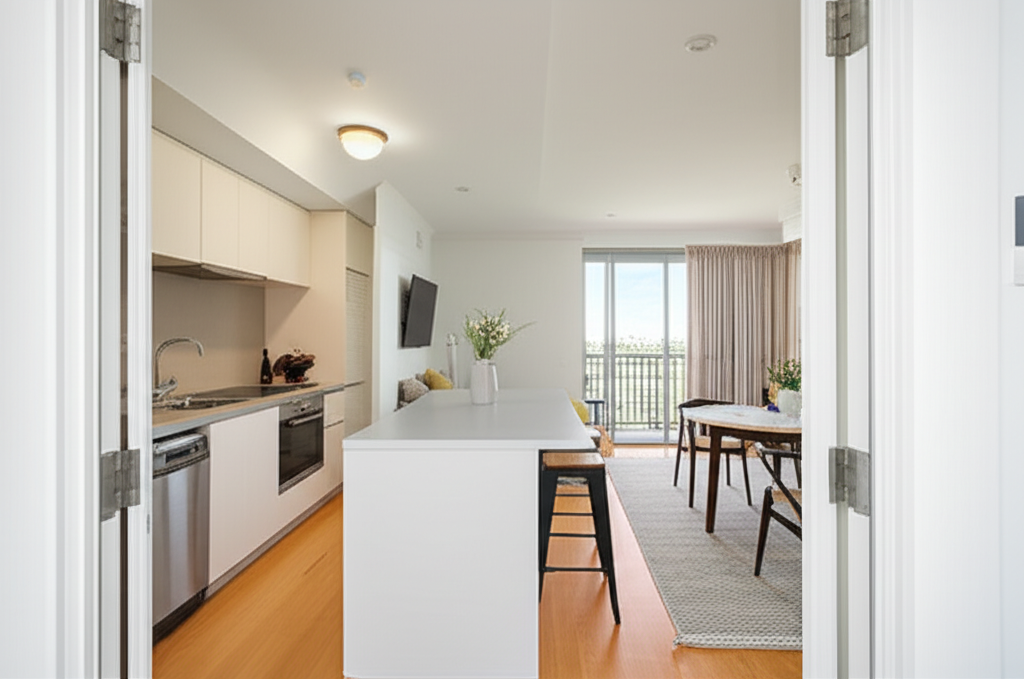
If you live in an Australian apartment, you already know the problem: pests don't respect property lines. Cockroaches travel through shared walls. Spiders come up from the car park. Ants find their way through pipe gaps three floors up. And you can't exactly bomb the place with chemicals when you're renting. Here's what actually works for apartment pest control in 2026 — and what's a waste of money.
Why Do Apartments Have More Pest Problems Than Houses?
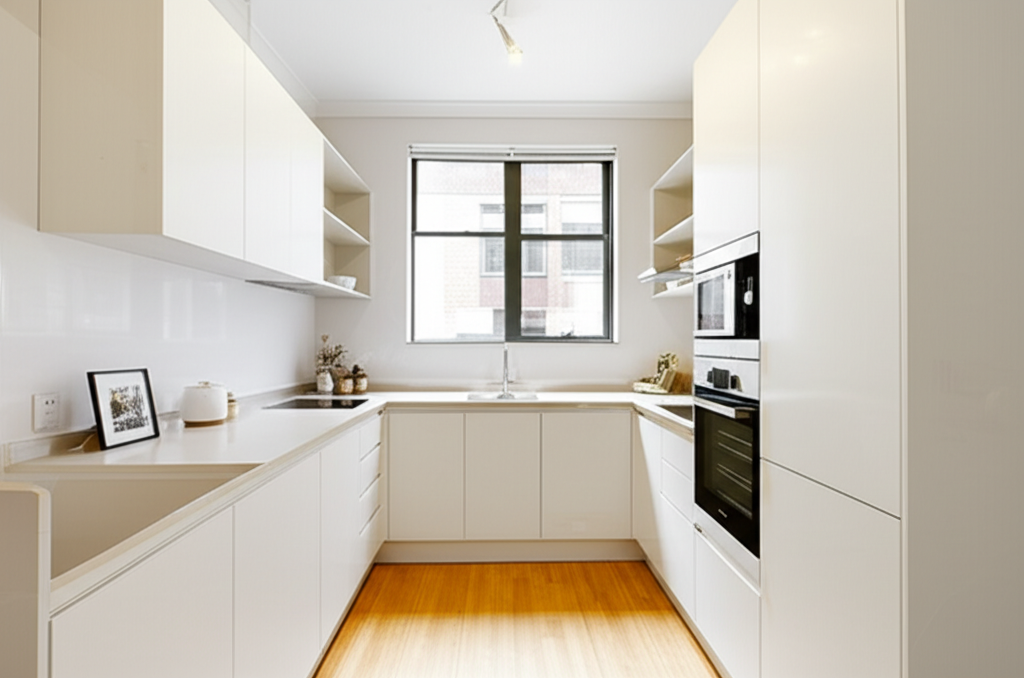
Apartments attract more pests because of shared infrastructure, communal waste, and the near-impossibility of sealing every entry point. Even the cleanest unit in a building can have a cockroach problem if the neighbour three doors down leaves food scraps on their benchtop. That's the fundamental challenge of apartment living — your pest situation is only as good as the worst unit in the building.
Here's why units and apartments cop it worse than freestanding homes:
- Shared plumbing and pipe runs — Cockroaches and silverfish travel freely through the internal wall cavities that carry water pipes, gas lines, and electrical conduit between units. You can't seal these without strata approval and a licensed tradesperson.
- Communal rubbish and recycling areas — The bin room on the ground floor is a breeding ground. If it's not cleaned regularly by the strata, every unit in the building pays the price.
- Harder to seal — In a house, you can install door sweeps, seal gaps, and control your own perimeter. In an apartment, entry points exist inside walls and ceilings that you have no access to.
- Strata complications — Getting building-wide pest treatment approved requires a strata vote, a budget allocation, and coordination across every unit. It can take months. Meanwhile, the cockroaches don't wait.
- Warm, humid microclimates — Apartments retain heat. Internal bathrooms with poor ventilation create exactly the warm, moist environment that cockroaches, silverfish, and pantry moths thrive in.
This is the single biggest frustration for apartment dwellers. You can keep your unit spotless, but if common areas aren't maintained or neighbouring units have poor hygiene, pests will keep coming. That's why the best apartment pest control is a continuous deterrent — not a one-off treatment.
What Makes a Good Pest Repeller for Apartments?
The best apartment pest repeller covers at least 120 square metres per device, uses no chemicals, causes no damage to the property, and runs quietly enough to forget it's there. These aren't nice-to-haves — they're requirements when you're renting and sharing walls with other people.
Here's the checklist to evaluate any unit pest repeller:
- Coverage area of 120 sqm or more per device — Most Australian apartments range from 50 sqm (one-bed) to 120 sqm (three-bed). A device that covers 120 sqm per room means you need fewer units to protect the whole apartment. Note: ultrasonic waves don't pass through walls, so you need one per room regardless of total coverage.
- No chemicals — Chemical sprays stain benchtops, carpets, and grout. They leave residue that comes out of your bond. And in a small apartment with limited ventilation, you're breathing that in. A chemical-free repeller is genuinely bond-safe and safe for anyone in the unit.
- Quiet and unobtrusive — You'll hear a faint hum from some ultrasonic devices, but a well-designed one should be inaudible to humans. In an apartment where the bedroom might be three metres from the kitchen, noise matters.
- No modification to the property — No drilling, no adhesives that strip paint, no permanent mounting. Plug-in devices are ideal for rentals — you plug them in when you move in and unplug them when you leave. Zero evidence you were ever there.
- Pet safe — Lots of apartment dwellers have cats or small dogs. Ultrasonic pest repellers at the right frequency range are safe for household pets. (Read our full guide on pet safety here.)
What Are the Best Pest Control Methods for Apartments?
Ultrasonic repellers are the best overall pest control method for Australian apartments because they're bond-safe, chemical-free, pet-safe, and require zero maintenance. But every method has trade-offs. Here's how the five most common apartment pest control methods compare across the criteria that matter most to renters.
| Method | Effectiveness | Bond-Safe | Pet-Safe | Ongoing Cost | Ease of Use |
|---|---|---|---|---|---|
| Ultrasonic Repeller | (electricity only) | ||||
| Sticky Traps | (pets can get stuck) | Place & replace weekly | |||
| Bait Stations | (residue risk) | (toxic to pets) | Place & replace monthly | ||
| Chemical Sprays | (short-term) | (staining, residue) | (toxic fumes) | Spray regularly, ventilate | |
| Professional Treatment | (landlord approval needed) | Book, prep, vacate for hours |
Professional pest treatment is effective but expensive, and in a rental it should be the landlord's responsibility for structural infestations. (Read about your rights as a renter here.) Chemical sprays work in the short term but create bond risk and aren't safe to use continuously in a small, enclosed apartment. Bait stations are effective but dangerous around pets and children.
For a renter who wants continuous, set-and-forget protection that won't cost the bond, an ultrasonic repeller is the clear winner. BanishBugs covers up to 120 sqm per device, uses zero chemicals, and plugs into any standard power outlet. The device is free — you only pay $12.95 shipping — with a 90-day money-back guarantee.
How Many Devices Do You Need for Your Apartment?
You need one ultrasonic pest repeller per room, because ultrasonic waves don't pass through walls or closed doors. The good news is that most Australian apartments are compact enough that three to five devices cover the entire unit. Here's a room-by-room guide for the most common apartment layouts.
Kitchen/living (1), bedroom (1), bathroom (1 if cockroach-prone). Most one-bed units are 45–65 sqm — two devices covers the main areas, add a third for the bathroom.
Kitchen/living (1), each bedroom (2), bathroom or laundry (1). At 65–90 sqm, three devices minimum. Add a fourth if the laundry is separate from the bathroom.
Kitchen/living (1), each bedroom (3), main bathroom or laundry (1). Larger three-bed units (90–120 sqm) may benefit from a device in the ensuite as well.
If you can only start with one or two devices, place them in the kitchen and the bathroom first. These are the two rooms with the most moisture and food sources — the rooms pests target first. Expand from there as needed.
Not sure which pack size is right for your layout? Take the 30-second BanishBugs quiz — it recommends the right number of devices based on your apartment size and pest type.
What Are the Best Pest Prevention Tips for Apartments?
The most effective apartment pest prevention combines a continuous deterrent (like an ultrasonic repeller) with basic hygiene and entry-point management. No single tactic works alone — you need a layered approach, especially in a building where you can't control what your neighbours do.
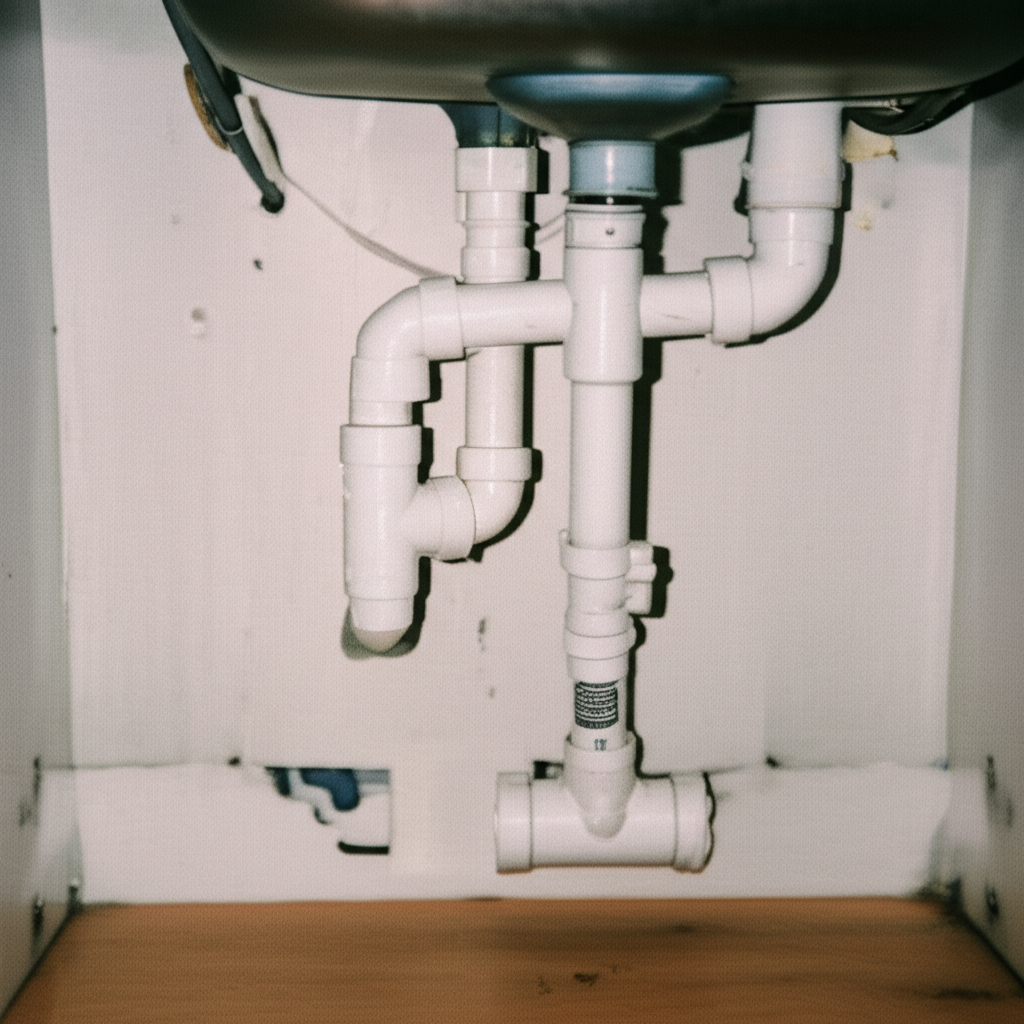
- Seal visible gaps around pipes. Use removable gap filler or steel wool around the pipe penetrations under your kitchen and bathroom sinks. These are the primary highway for cockroaches moving between units. Removable options won't affect your bond.
- Store all food in airtight containers. Packets of rice, cereal, flour, and pet food left open in the pantry are an invitation. Glass or hard plastic containers with a proper seal eliminate the scent trail that attracts ants and cockroaches.
- Don't bring cardboard boxes inside. Cardboard is one of the most common ways cockroach egg cases enter an apartment. Unpack deliveries in the hallway or car park and break down boxes immediately. Recycle them the same day.
- Communicate with your strata committee. If the building's common areas (bin rooms, car parks, garden beds) aren't maintained, individual unit treatments won't solve the problem. Request that strata arranges regular building-wide pest treatment — it's a legitimate maintenance expense.
- Run exhaust fans during and after showers. Humid bathrooms attract silverfish, cockroaches, and mould mites. If your bathroom doesn't have an exhaust fan, leave the door open after showering and consider a moisture-absorbing product like DampRid.
- Take bins out every night. In a small apartment kitchen, even one night of food waste in the bin can attract pests. Make it a nightly habit — especially in summer.
- Inspect secondhand furniture before bringing it in. Bed bugs, cockroaches, and carpet beetles commonly hitchhike on used furniture. Check seams, joints, and undersides carefully before anything enters your unit.
Frequently Asked Questions
-
Yes, ultrasonic pest repellers work well in apartments because the enclosed layout of a unit concentrates the sound waves within your living space. Unlike a house where pests can simply retreat to the yard, apartment pests are driven out through the same entry points they came in — shared walls, pipe gaps, and door seals. For best results, place one device per room, as ultrasonic waves don't pass through walls. Coverage is typically 120 square metres per device in open space.
-
No. Ultrasonic pest repellers like BanishBugs operate at frequencies above the range of human hearing (typically 25–65 kHz). The sound waves do not pass through solid walls, so your neighbours will not hear or be affected by the device. The repeller only works within the room where it's plugged in, which is why you need one per room for full apartment coverage.
-
Absolutely. Plug-in ultrasonic pest repellers are one of the most bond-safe pest control options available. They plug into a standard power outlet, leave no marks or residue, require no drilling or modification, and can be unplugged and taken with you when you move out. Unlike chemical sprays that can stain surfaces or baits that leave sticky residue, there is zero risk to your rental bond.
-
Most people notice a significant reduction in pest activity within 2 to 4 weeks of continuous use. In smaller apartments (one-bedroom or studio), results can come faster because there is less space for pests to avoid the ultrasonic coverage. The key is to leave the device plugged in 24/7 — it uses minimal electricity (about the same as a phone charger) and works best as a constant deterrent rather than something you switch on and off.
Find the Right Pack for Your Apartment
Take our 30-second quiz to get a personalised recommendation based on your apartment size, layout, and pest type. The device is free — you only pay $12.95 shipping. 90-day guarantee.
Take the Quiz →