Cockroach Problems in Rental Properties: Your Rights and What to Do About It

You flick on the kitchen light at 2 AM and watch half a dozen cockroaches scatter across the benchtop. Sound familiar? If you're renting in Australia, you're not alone — and you're not powerless. Here's exactly what your rights are, how to get your landlord to act, and what you can do right now without risking your bond.
Cockroaches are one of the most common complaints in Australian rental properties. In warmer, humid states like Queensland, New South Wales, and anywhere with a tropical or subtropical climate, they're practically a fact of life. But "common" doesn't mean you have to just put up with it.
The tricky part for renters is figuring out where the responsibility actually sits. Is this your landlord's problem? Yours? Can you do anything about it without losing your bond? And what actually works in a rental where you can't modify the property?
This guide breaks it all down — your legal standing, the steps to take, and the solutions that won't cost you your bond when you move out.
Is Your Landlord Responsible for Pest Control?
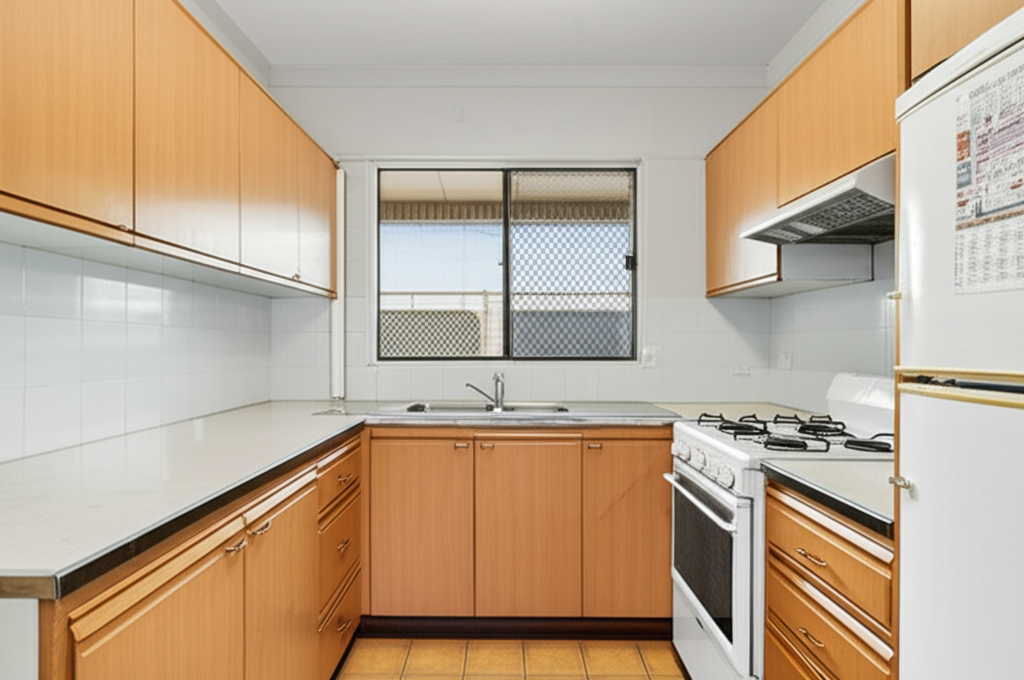
The short answer: it depends on the cause.
In most Australian states and territories, the general rule works like this:
- Landlord's responsibility — If cockroaches were present before you moved in, or the infestation is caused by structural issues (gaps in walls, broken seals around pipes, plumbing leaks, inadequate ventilation), then pest control falls on the landlord. They have a legal obligation to provide premises that are fit for habitation and in a reasonable state of repair.
- Tenant's responsibility — If the cockroach problem developed because of tenant behaviour — leaving food out, poor kitchen hygiene, not taking bins out regularly — then it's generally considered the tenant's issue to resolve.
In practice, the cause isn't always clear-cut. Older properties with structural gaps are going to attract cockroaches regardless of how clean you keep the place. If you've maintained the property well and cockroaches still persist, the argument that it's a structural issue becomes much stronger.
State-by-State Differences
Each state has its own residential tenancies legislation, and the specifics vary. Here's a quick overview of the three most populous states:
Under the Residential Tenancies Act 2010, landlords must provide and maintain premises in a "reasonable state of repair." Pest infestations caused by structural defects or pre-existing conditions are a landlord obligation. NSW Fair Trading handles disputes.
The Residential Tenancies and Rooming Accommodation Act 2008 requires landlords to maintain premises "fit for the tenant to live in." QLD has specific condition report requirements at the start of tenancies. The Residential Tenancies Authority (RTA) provides dispute resolution.
The Residential Tenancies Act 1997 (amended 2021) introduced minimum rental standards, including that properties must be free from pest infestations at the start of a tenancy. The Residential Tenancies Bond Authority (RTBA) and Consumer Affairs Victoria oversee compliance.
This article provides general guidance only and is not legal advice. Tenancy laws differ between states and territories, and individual lease agreements may contain specific pest control clauses. For advice on your situation, contact your state's tenancy authority or a community legal centre.
What to Do If You Have Cockroaches in Your Rental
If you believe the cockroach problem is your landlord's responsibility (or you're unsure), follow this process. It protects your rights and creates a paper trail if things escalate.
Step 1: Document the Problem
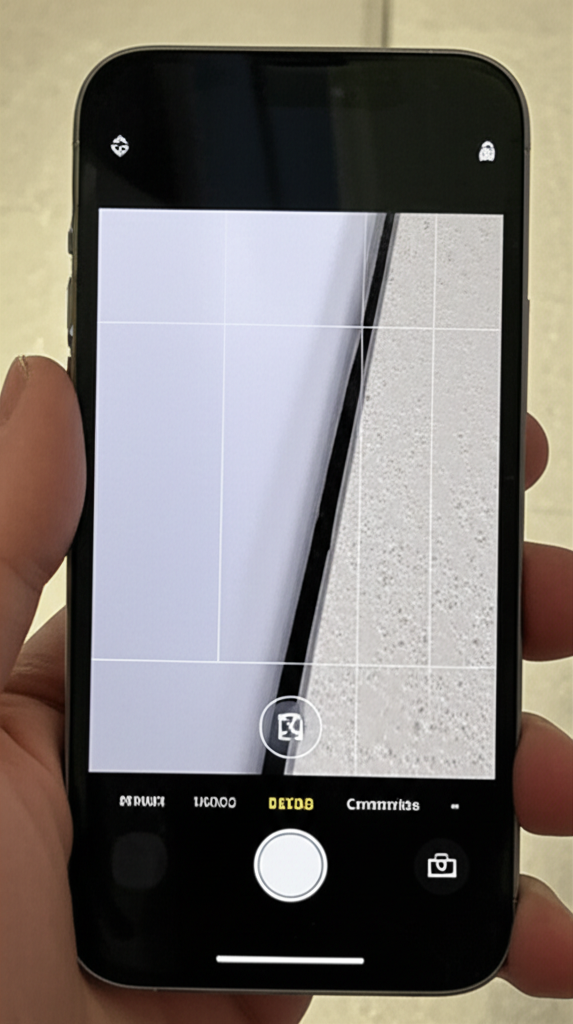
Before you contact anyone, gather evidence. This is your strongest tool if the issue goes to a tribunal later.
- Take photos and videos with timestamps. Capture the cockroaches, any droppings, egg cases, and the areas where they're concentrated.
- Note the dates you first noticed the problem and how it's progressed.
- Record the severity. A couple of cockroaches versus a full infestation will be treated differently. Note whether they appear nightly, in specific rooms, or throughout the property.
- Check for structural causes. Look for gaps around pipes, cracks in walls, broken seals, or water leaks. Photograph these as well — they support the argument that the issue is structural, not behavioural.
Step 2: Notify Your Landlord or Agent in Writing
Always put your request in writing. An email or message through your property management app creates a clear record. Include:
- A description of the cockroach problem and when it started
- Photos or videos as attachments
- Any structural issues you've identified
- A request for professional pest control treatment
Keep it factual and reasonable. You're establishing that you've reported the issue properly and are giving the landlord an opportunity to respond — which is exactly what a tribunal will want to see if it gets that far.
Step 3: Allow Reasonable Time for Response
Your landlord or property manager needs a reasonable amount of time to organise pest control. What's "reasonable" depends on the severity — a severe infestation should be treated more urgently than a minor one. As a general guide, 14 to 28 days is considered reasonable for non-urgent repairs in most states.
If your landlord responds and arranges pest treatment, cooperate fully. You'll usually need to prepare the property (emptying cupboards, clearing under sinks) and be available to give access.
Step 4: Follow Up and Escalate if Needed
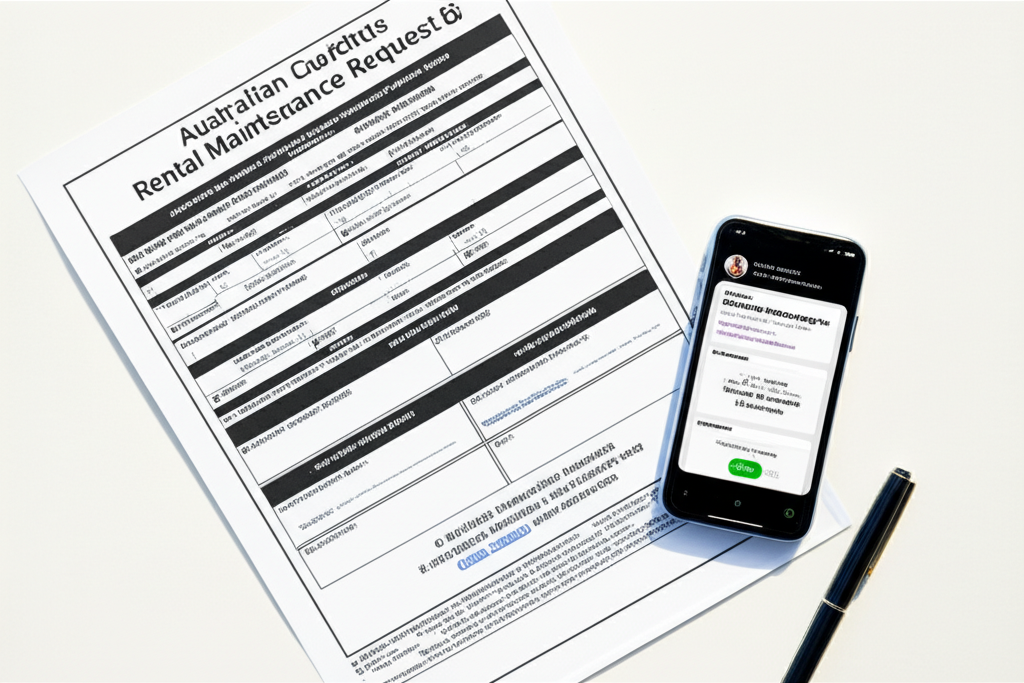
If your landlord ignores your request, refuses to act, or the problem continues after treatment, you have options:
- Send a formal breach notice. Each state has specific forms for this (e.g., a "Notice to Remedy Breach" in QLD).
- Contact your state tenancy authority for mediation or conciliation. This is free and often resolves disputes without a hearing.
- Apply to the tribunal. In NSW, it's the NSW Civil and Administrative Tribunal (NCAT). In QLD, the Queensland Civil and Administrative Tribunal (QCAT). In VIC, the Victorian Civil and Administrative Tribunal (VCAT). The tribunal can order the landlord to arrange pest control at their expense and may award compensation for loss of amenity.
Save every email, text message, photo, and receipt related to the cockroach issue. If you've spent money on cleaning products or pest control yourself, keep the receipts — you may be able to claim reimbursement through the tribunal.
Pest Control Solutions That Won't Affect Your Bond
Here's the reality for renters: you can't drill holes to seal entry points. You can't rip out cabinetry. Chemical sprays can stain carpets and bench surfaces. Sticky traps leave residue. Anything that modifies the property requires your landlord's written consent.
That's why ultrasonic pest repellers are such a good fit for rental properties. They plug into a standard power outlet, emit high-frequency sound waves that drive pests out of your living spaces, and require zero modification to the property. No chemicals, no stains, no residue, no holes in the wall. When you move out, you simply unplug it and take it with you. Bond fully intact.
BanishBugs was designed with exactly this use case in mind. It's a plug-in ultrasonic repeller that covers a large room area, is completely safe around kids and pets, and works continuously without you having to remember to set traps or spray chemicals. The device itself is free — you only pay $12.95 shipping — and it comes with a 90-day money-back guarantee, so you can see if it makes a difference before committing.
It's not a replacement for professional pest treatment on a property with serious structural issues (that's still your landlord's job). But for everyday cockroach management in a rental, it's one of the few solutions that's genuinely risk-free for your bond. You can learn more about how ultrasonic pest repellers work or read about chemical-free pest control methods on our blog.
Prevention Tips for Renters
Whether you're waiting for your landlord to act or just want to minimise the problem, these habits make a big difference:
- Keep the kitchen spotless. Wipe down benchtops every night. Don't leave dirty dishes in the sink overnight. Cockroaches are after food and water — remove both and they have less reason to hang around.
- Seal all food in airtight containers. This includes pet food, cereals, baking ingredients — anything in an open packet is an invitation.
- Take the bins out regularly. Don't let kitchen waste sit overnight if you can avoid it. Use a bin with a tight-fitting lid.
- Fix leaking taps. Cockroaches need water. A dripping kitchen tap or a slow leak under the bathroom sink is like a water station. Report leaks to your landlord promptly — it's their responsibility to fix.
- Use door sweeps. If there's a visible gap under your front or back door, a removable adhesive door sweep (available from Bunnings for under $15) can block a major entry point without damaging the door.
- Ventilate wet areas. Run the exhaust fan during and after showers. Open windows when you can. Cockroaches thrive in humid, stagnant environments.
- Declutter. Cockroaches love hiding in piles of cardboard, paper bags, and general clutter. Less hiding spots, fewer roaches.
Frequently Asked Questions
-
In most states, you cannot break your lease solely because of cockroaches. However, if the infestation makes the property uninhabitable and your landlord refuses to act after being notified in writing, you may be able to apply to your state's tribunal (e.g. NCAT in NSW, QCAT in QLD, VCAT in VIC) for a termination order. You would need to demonstrate that the property is no longer fit for habitation and that the landlord has failed to meet their obligations. Always seek advice from your state's tenancy authority before taking this step.
-
It depends on the cause. If cockroaches were present before you moved in, or the infestation is due to structural issues (gaps in walls, broken seals, plumbing leaks), pest control is generally the landlord's responsibility. If the infestation is caused by tenant behaviour — such as poor hygiene or leaving food out — the tenant may be responsible. Check your lease agreement and your state's residential tenancies legislation for specifics.
-
No. In every Australian state and territory, withholding rent is not a legal remedy for maintenance or pest issues — even if your landlord is clearly in the wrong. If your landlord fails to address a cockroach infestation after written notice, the correct process is to apply to your state's residential tenancy tribunal for a compliance or repair order. Withholding rent can put you in breach of your lease.
-
It depends on the product. Chemical sprays can stain carpets and surfaces. Baits and traps can leave residue. Anything that requires drilling or structural modification is off-limits without written landlord permission. Plug-in ultrasonic pest repellers like BanishBugs are ideal for renters — they simply plug into a power outlet, leave no marks or residue, and can be removed when you move out. No risk to your bond.
Renting Shouldn't Mean Living with Cockroaches
Take our 30-second quiz to find out which BanishBugs setup is right for your rental. The device is free — you only pay $12.95 shipping. 90-day guarantee.
Take the Quiz →